Integrating concepts of walkability, sustainability, green jobs, public access, and environmental protection into our public policy is the key to improving the quality of life for all people, attracting newcomers and encouraging growth. It means establishing the Pinawa “brand” and identity, and building a vibrant local economy.
Promoting quality of life and well-being is increasingly recognised as an integral part of sustainable design. Not only is active transportation good exercise for the body, it’s good for the soul as well. When you walk to the store, you might run into somebody and have a chat that brightens your day.
The walkability of a neighbourhood has to take many things into consideration. How far are residential areas from commercial areas? Are there sidewalks available? What about bike paths and trails? Are there crosswalks on busy streets? All of these things are important when considering how people are able to move about in town.
There are other less obvious factors that determine an area’s walkability score. It’s important to have enough benches so people can take a break to catch their breath or feed their baby. You need decent lighting so people can feel safe walking in the evening. It’s no surprise that like to stroll through pretty areas, but are there benefits to this? Of course!

- Walking 30 minutes a day, five days a week, adds 1.3-1.5 years to your life, on average. This means that for every minute you spend walking, you get three back.
- People who live in the most-walkable neighborhoods are 2.4 times as likely to walk for 30 minutes or more than those who lived in the least-walkable communities.
- Residents of traditional neighborhoods, with good pedestrian facilities and stores and services just a short walk from people’s homes, get 70 extra minutes of physical activity per week, and are 40 percent less likely to be overweight or obese than residents of sprawling neighborhoods. (Brian E. Saelens, “Neighborhood-Based Differences in Physical Activity: An Environment Scale Evaluation,” American Journal of Public Health, Sept. 2003, v.93, n.9)
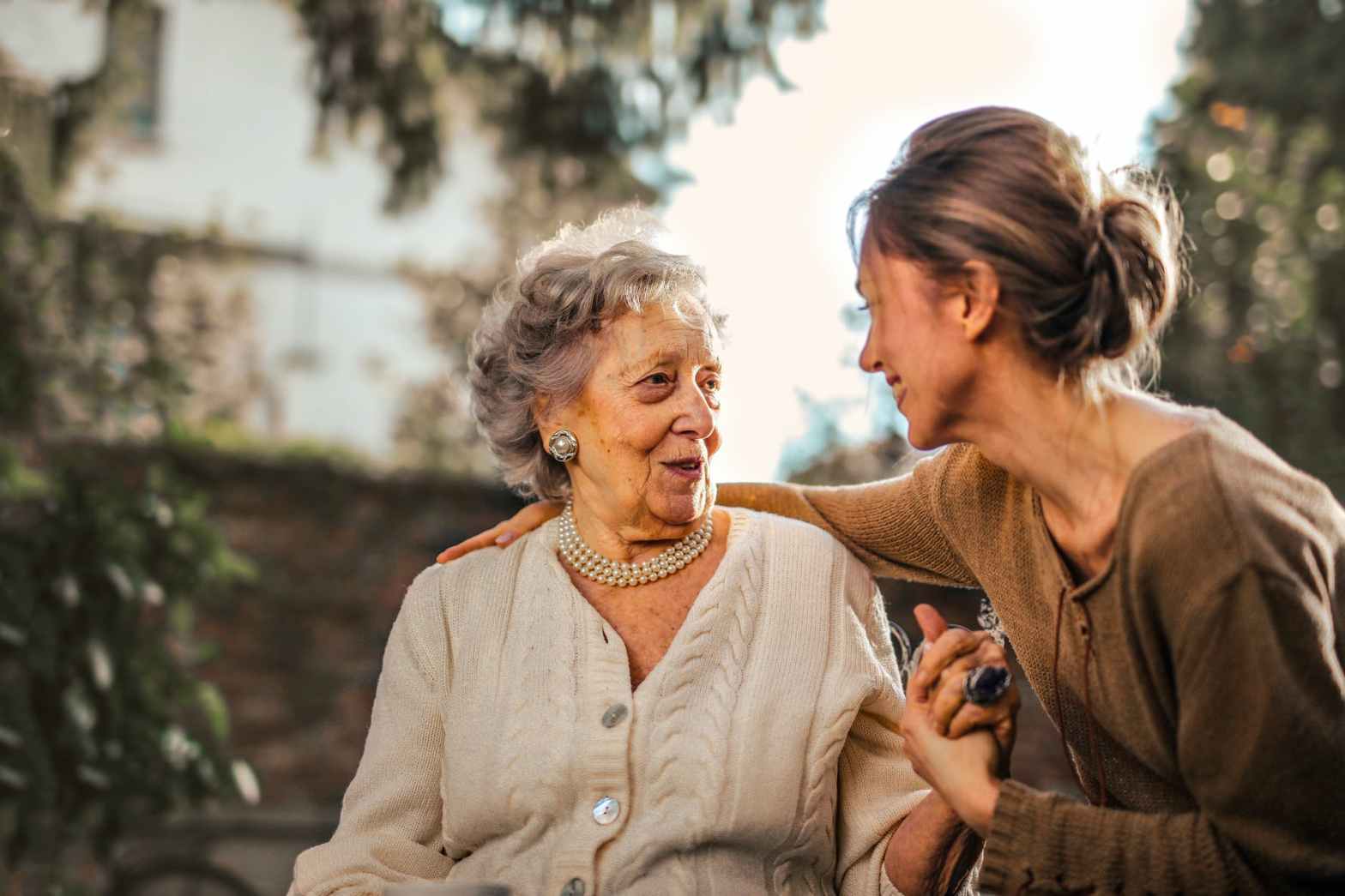
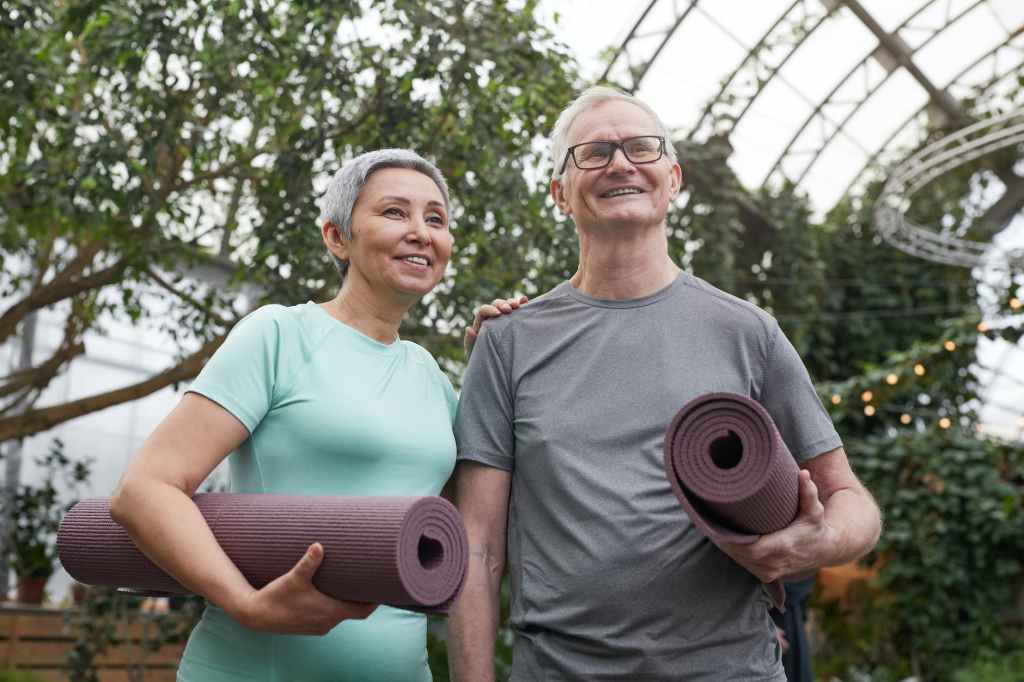
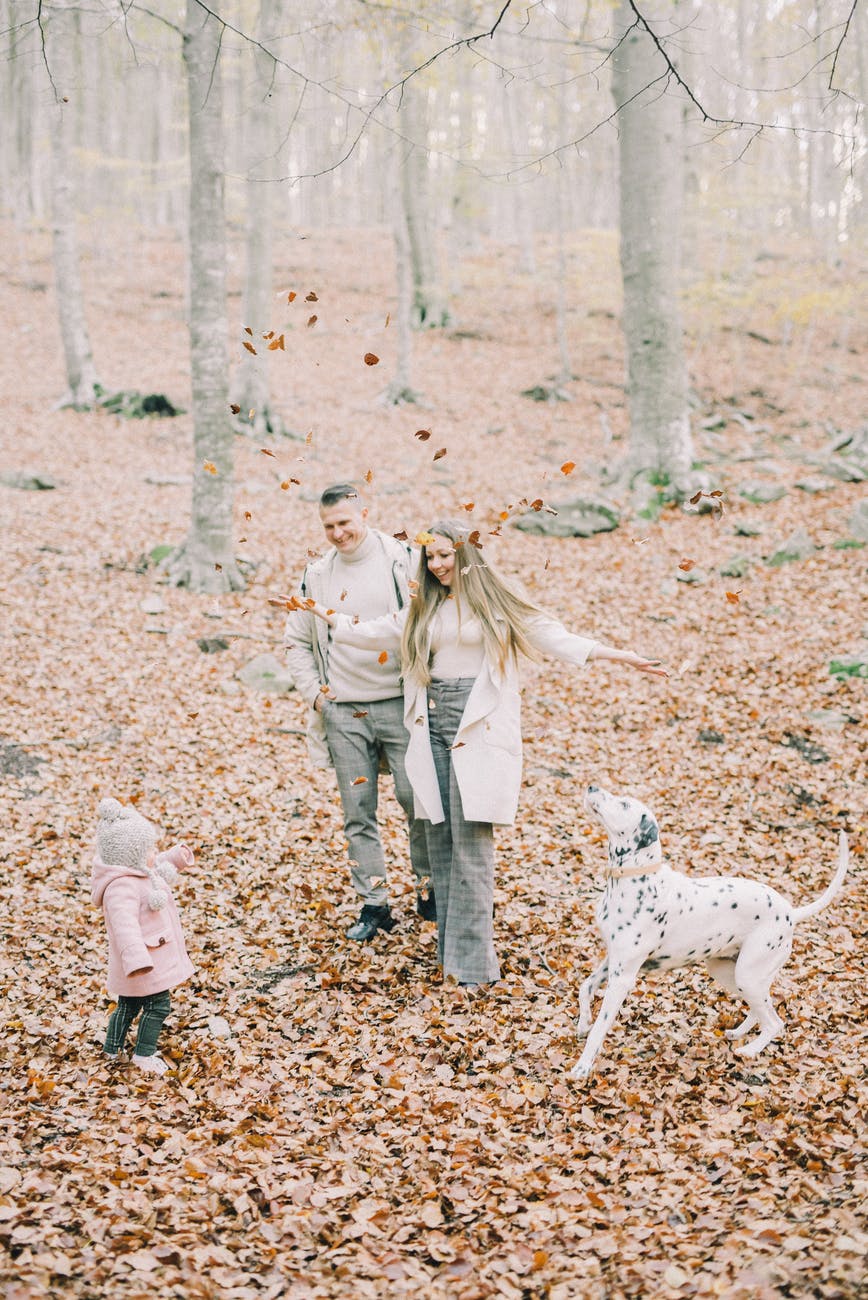
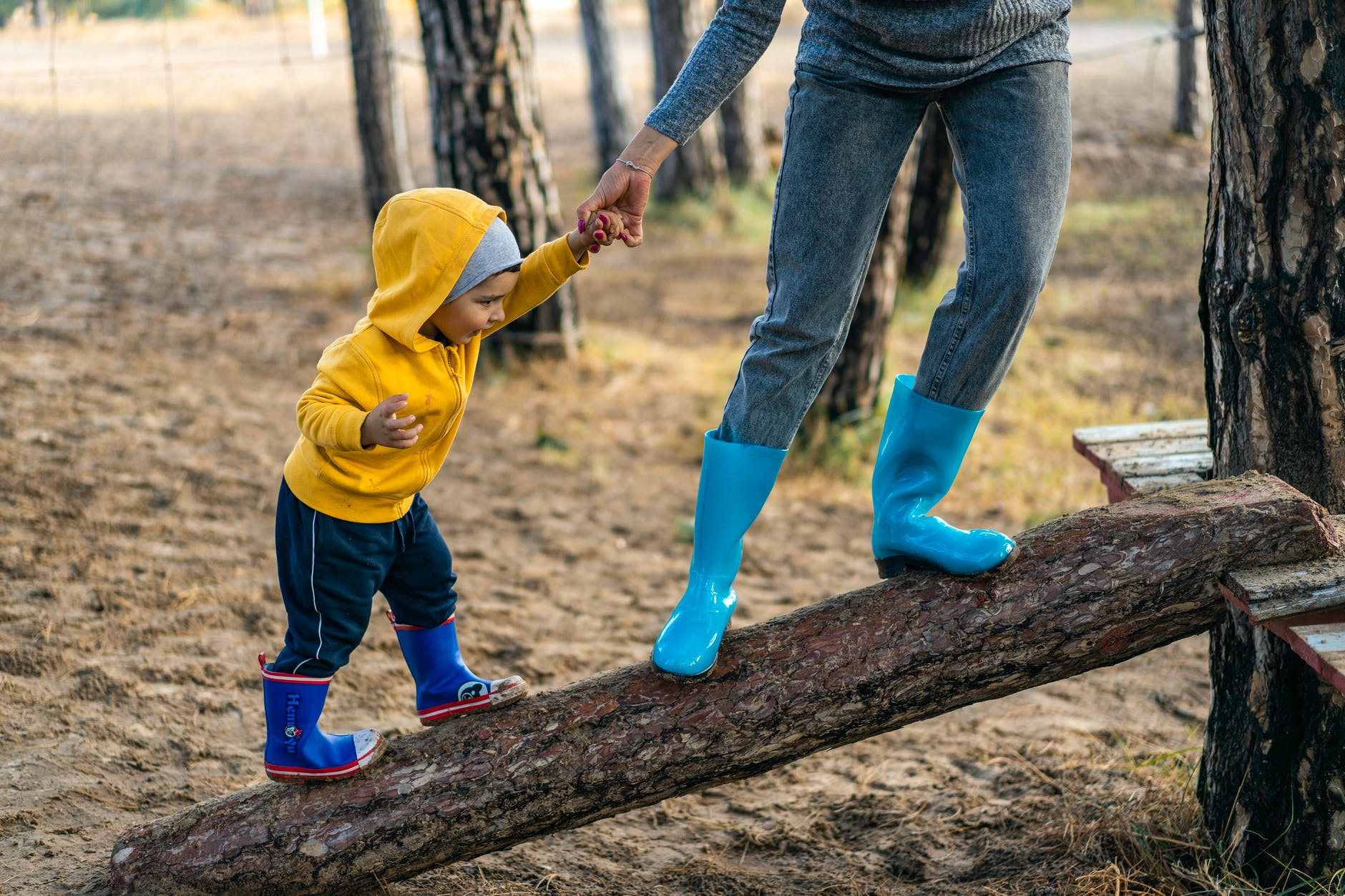
Making our town a more friendly place for pedestrians and cyclists is not just about getting people out of their cars. It is about getting people into a healthier lifestyle. With smart planning, we can make active transportation the main form of transportation. This is something that the most livable cities in the world have already done, and the benefits are far ranging. Imagine, if there were a town where living there could add 1.3-1.5 years to your life, where you would be more fit and experience more mental wellness, simply by going about your regualar everyday activities. That is what incorporating Well-being into Urban Design is all about. We can choose to build a town environment that supports its people, makes it safer for children to walk to school, allows teens a chance to experience nature after a day of computer learning, gives adults calming spaces to stroll and unwind after a hard day at work, and to help our seniors stay fit and active outside as they enjoy their golden years.

Sustainabe cities, zero waste, community resiliance, and net-zero emissions are the future. Not some distant place and time 50 years from now. We’re not talking about a sci-fi movie. It is literally happening RIGHT NOW.
Improving walkability is just one example of a sustainable policy. Cities and towns, governments and corporations across North America are embracing these design policies and investing heavily in these initiatives. Green jobs are already outperforming fossil fuel jobs in the States and the Biden administration is investing Trillions into the green economy. General Motors announced plans to phase out gas and diesel cars completely by 2035. Ford Motor Company plans to phase out gas only cars within the next 5 years in Europe. Think about that for a second, kids born now might never drive a gas powered car in their life. By the time they’re old enough to drive, they will have quit making them for years already!
Years ago when Pinawa was founded as a planned community, the original designers would have been considered forward thinking people. The use of curving roads, walking paths, a central mall with parking lot, mix of single family homes and dedicated apartment blocks, public space along the waterfront; all of these things at the time were considered new and cutting edge. (Remember cities before were typically designed in a grid based around a main street). So Pinawa has a tradition of being forward thinking, the thing is, that some of the things considered cutting edge 50 years ago are no longer. At the time gasoline was cheap and infinite, the middle class was growing, houses were cheap, and carbon emissisions were not a consideration. Let’s not forget the big one: AECL would be the economic anchor of the town forever. Obviously, we know now that some of those presupositions turned out incorrect. Luckily for us, Pinawa is in an amazing position to transition into a more sustainable, greener, and prosperous town, a town that is a leader, ahead of the pack. We can begin to do this work RIGHT NOW.
How to build a better Pinawa
- Traffic calming solutions such as lower speed limits to make shared streets safer and prioritise human transportation. This will protect kids and make it safer for everybody, including seniors, and frankly more fun to choose walking and cycling over the car (maybe not when it’s -40).
- Invest in Electric Vehicle Charging Stations at strategic points in the town making EVs more viable for residents and more attractive to green minded visitors.
- Protect and increase public access to parks, open space, community amenities, and water. Natural spaces are integral to the wellbeing of residents.
- Beautify the town with murals that represent the unique culture of Pinawa and character of the land.
- Defend our schools as they are a critical part of our community and a key component to attracting and keeping families in Pinawa.
- Establishing a youth committee so that young people can have a say in the policies that will affect them and can help to drive positive change in their community!
- Begin working on a plan to acheive zero-waste within a realistic timeframe. This means improvements to waste collection, recycling, and composting. (This is probably going to be the standard soon anyways, so we may as well get going ASAP!)
- Investigate the development of a small transit system to better facilitate moving of people without the need of putting up huge parking lots at every commercial area.
- Investing in better internet to allow entrepreneurs and small businesses better opportunity to work from home while living in Pinawa. Tech development in reaction to 2020 has accelerated the viability of working from home.
- Incorporating minimum thresholds for Density in new developments to ensure that there is adequate housing options for single people, couples, and seniors who cannot afford or do not want a single family detached home. This means more townhouses, duplexes, condos and apartments. Increased density is more cost effective for towns to maintain, and is important to facilitate younger people entry into the Pinawa market at a time when Canadian housing prices are extremely high. More seniors are choosing to move into condos that are smaller and easier to maintain.
- Supporting urban agriculture and gardening with improvments to commnity gardens and other initiatives. Growing food in urban environments is increasingly seen as a huge positive for community health. We could have a local farmer’s market!
- The establishment of more parks in areas that are considered simply “Open Space” including a Dog Park and a decent basketball court and skate park.
For more information on these concepts, make sure to click the links!

You cannot fight the wind, you can only adjust your sails.
Now I understand there are still some people that are not yet convinced that a small town can go green. But let me tell you about another type of green, the kind that comes in little rectangles with pictures of the Queen on it. These projects don’t just make sense, they make dollars and cents! These projects pay dividends not just to the well being of people who live here, but will benefit the town economically as well. There are lots of grants and investment opportunities and funding sources out there right for these types of projects. Composting keeps waste out of the landfill (saving space and money) and then you can sell the compost for agriculture generating more money. Increasing density in new developments lowers maintenence costs for the town and increases values of the properties. These sorts of green policies and services are hugely popular with Millenials, aka the young people demographic that Rural areas are trying to attract! This is how we move Pinawa forward economically, my friends, not by falling into the same old ideas as other struggling rural towns, but by innovating, and following the best practices of the best cities, to find unique made-in-Pinawa solutions.
“Our deepest fear is not that we are inadequate. Our deepest fear is that we are powerful beyond measure.”
Nelson Mandela
I believe in the idea of 1% better. One percent better today, then tomorrow improve by another 1%. Then again, and again, and again. You build upon your small successes until one day you take a step back, look behind and realize just how far you’ve come. Pinawa was founded on the groundbreaking research of Nuclear Energy, a revolutionary industry at the time. We can capture that excitement again. I refuse to believe that the Golden Years of Pinawa are behind us. The identity of this town is based on brave innovation. Of harmony between community, technology, and nature. This can be Pinawa. My friends, we can do this!
Please join me in this journey! Together we will bring a newfound confidence to this town, and hope for a truly sustainable future for all.
If you like what you just read then let me know! I want to hear from you. Also, share this post with others!
Comment below or go to my contact page and tell me how you want to get involved in making Pinawa the best place to live, work, and play, in all of Manitoba!