April Showers bring May Flowers

Gardening

A place where you find yourself when you need to lose yourself

Hello Friends, thank you for being here.

In this post I’ll be taking a break from my typical policy issues, and instead writing about a passion of mine, in hopes of giving you a better understanding of the type of person that is Michael King.

(If you are looking to read my detailed platform, click here).
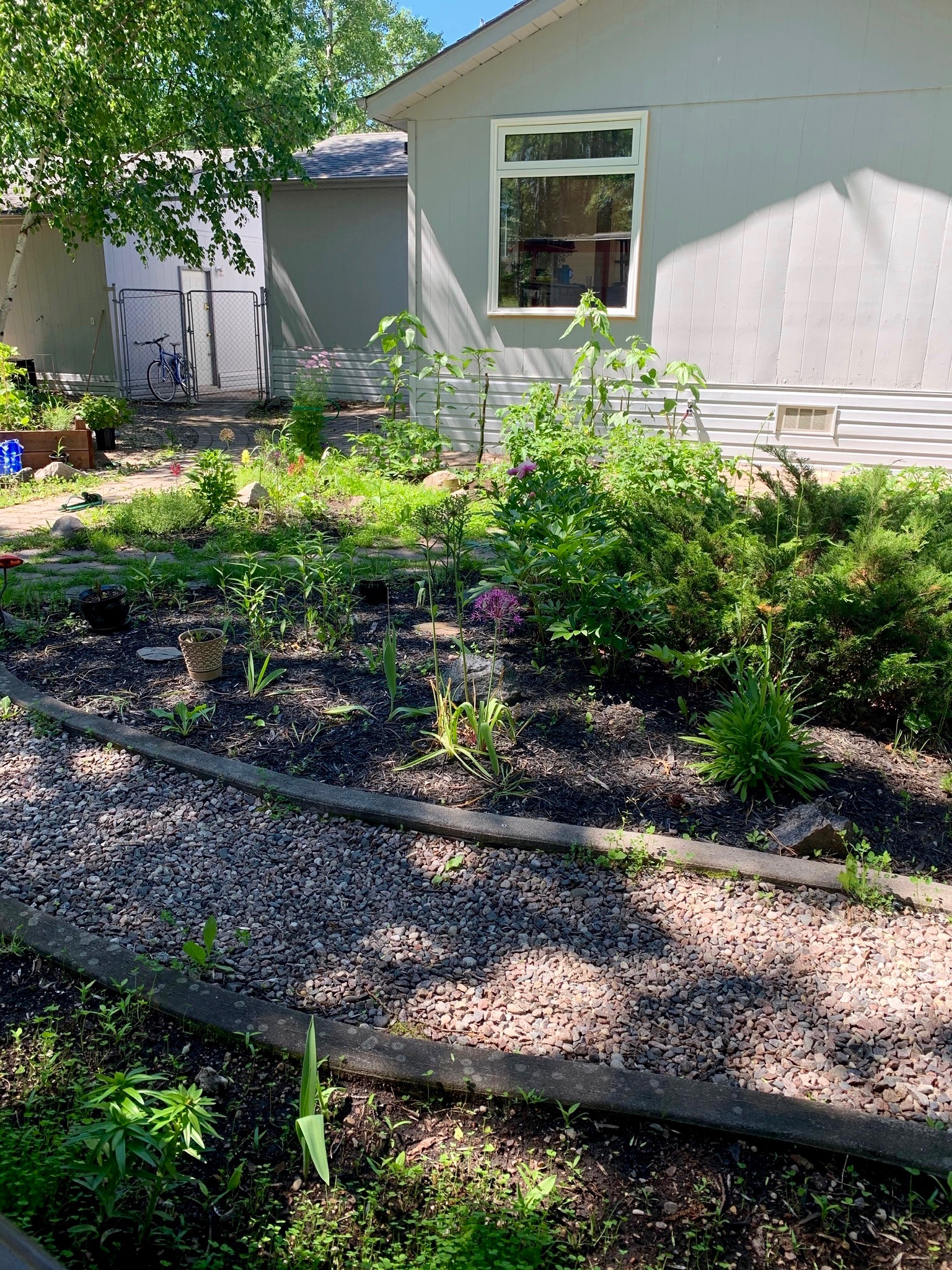
Early Summer in the King Garden

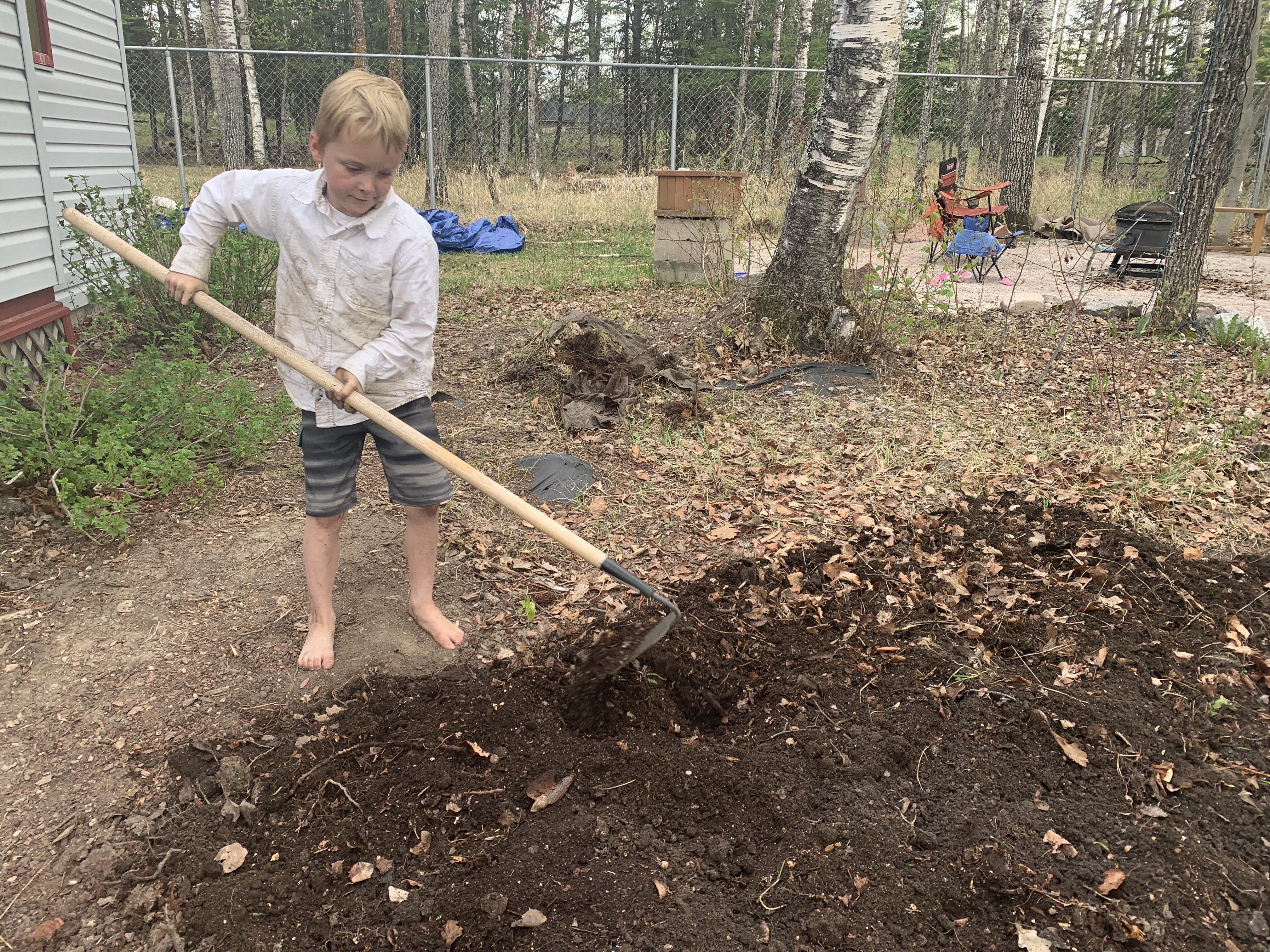
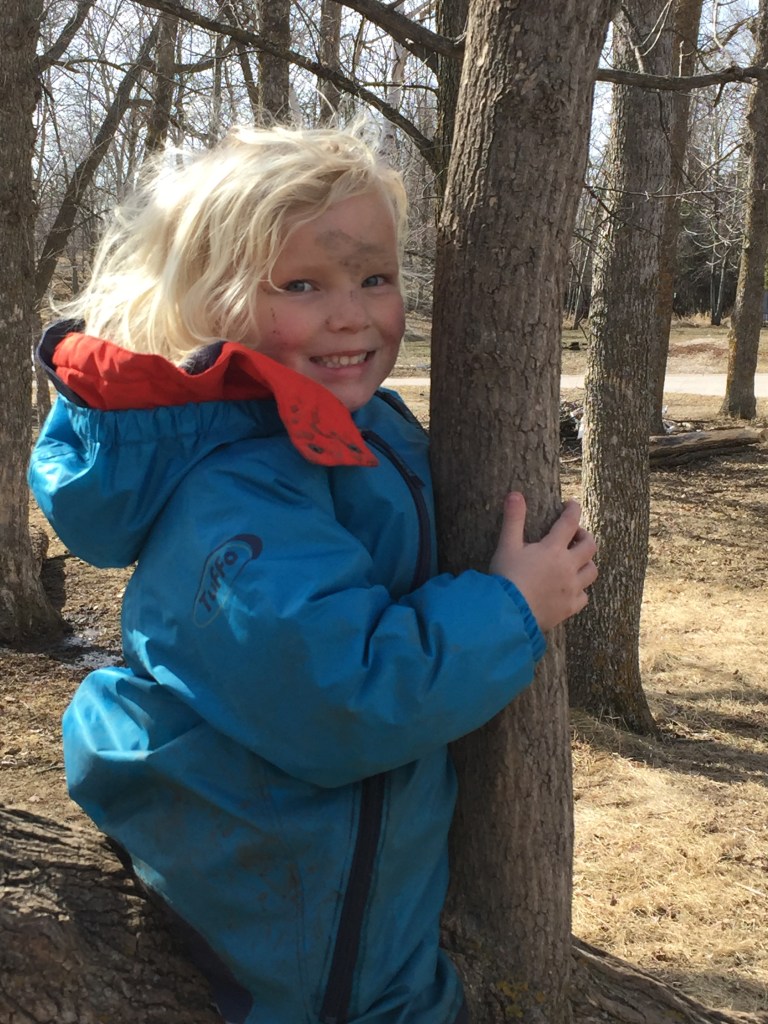
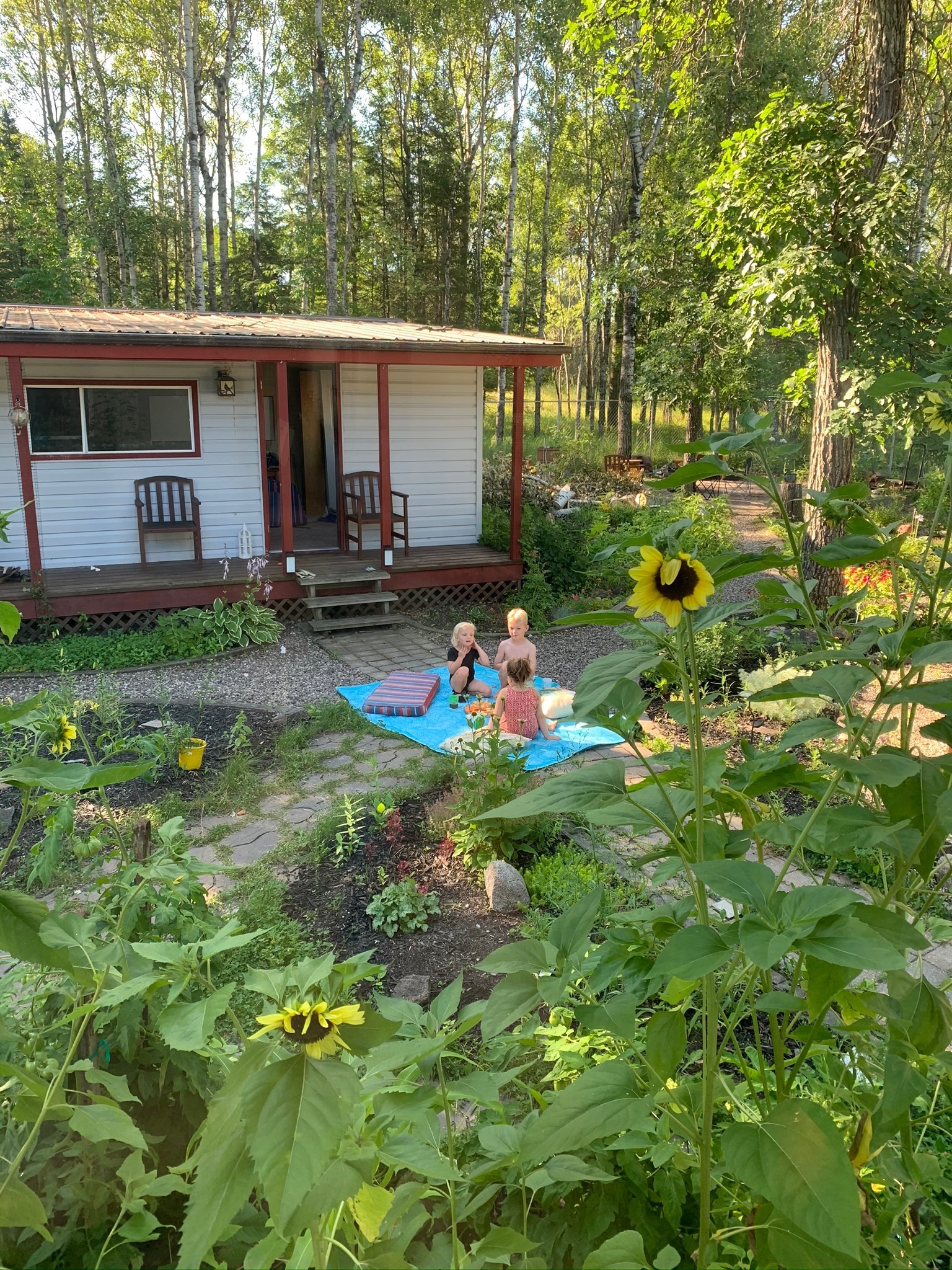
I inherited a love of gardening mostly from my Mother’s side. My family’s land was half a country mile long and most of my extended family lived on it; us, uncle and aunty, grandparents, great grandmother, other aunty, six cousins. My grandmother always kept massive gardens; a huge veggie patch in the back and whimsical flower beds in the front. If we wanted a snack we would go dig up carrots from the earth or pick peas and beans off the vine right into our mouths. Now, my kids do this in our backyard Pinawa paradise.


There are a lot of aspects to gardening that I really enjoy. Designing a garden is both a science and an art. There is planning and there is experimentation. There are so many variables to consider, light levels, soil type, crop rotation, and drainage. Then when it comes to plants you must consider the height, the spacing, colours, bloom time, how they spread, how they look and behave with other plants, attracting birds and polinators, if the animals will eat it or not, so much!

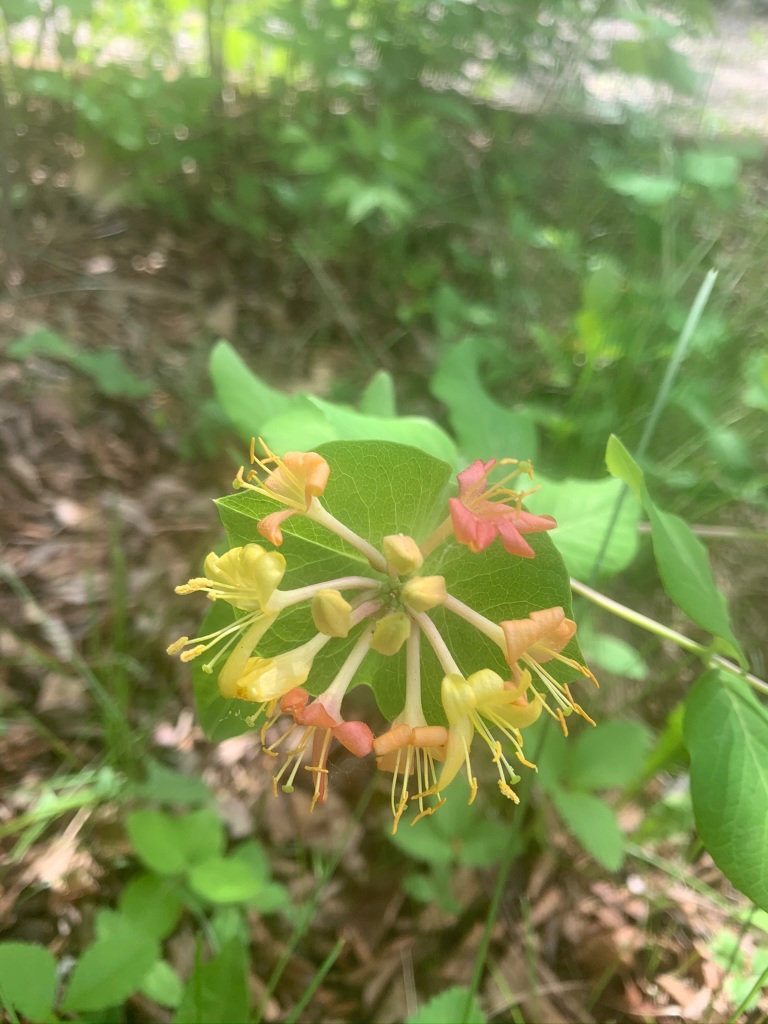
I think about the gardens on different levels of scale, sometimes considering the entire yard a whole, sometimes an area, sometimes down to an specific garden bed. And of course you always have to stop and consider each plant as an individual, is it thriving, or does it need help?

Meadow Sage

I have always loved design, and the garden allows for nearly unlimited expression of creativity. Perennials and permaculture are always present. Thoughtful placement of rain barrels saves money and effort for watering, wind chimes and grasses add an auditory element to the experience. We harvest fruit and vegetables from out garden with edible landscapes. Planting scarlet runners along a fence will give you nice red flowers and a wall of delicious fresh beans. Last year I finished training several grape vines onto a reclaimed arbor. Hopefully this summer the vines will bear fruit. I haven’t decided if I’ll use it to make jam or wine.

Overflow from the rain barrel now trickles through this Japanese inspired riverbed.

My Dad is a craftsman and master tile installer. The luxurious flooring of Pinewood Lodge at Dorothy Lake, including the foyer and pool, is an example of his work. He would say if you’re going to build something good, take the time to make it also look good. Functionality and aesthetics are not mutually exclusive, the best designs marries both elements into something beautiful and useful.
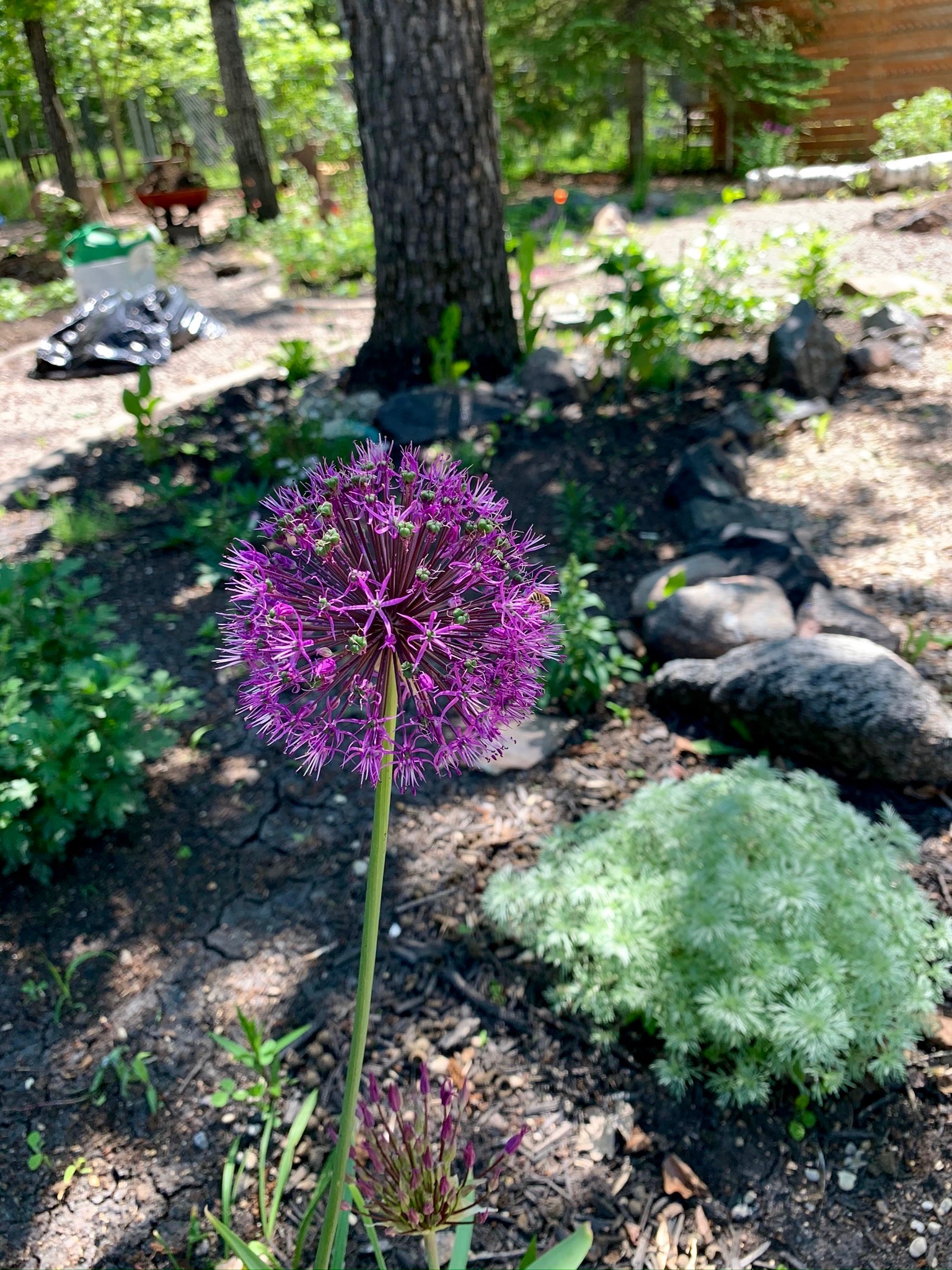
Allium

My focal garden project for this year an homage to my grandmother. I plan to clone and transplant a host of her favourite plants and flowers from back home in Cooks Creek into a new garden bed here. She has quite the collection of Bleeding Hearts of varied colours. I plan to put this bed somewhere with a nice view of the reserve to watch the deer and the birds which she has always loved to do. We’ve been saving seeds from her tomatoes for years, last year the plants were taller than my children!

One of the most delightful things about a garden

is the anticipation it provides

I’ve had this African Violet for 9 years.

I would like to see Pinawa enter into Manitoba Communities in Bloom. Our town hasn’t participated in this since 2001, where we received a score of 3/5. By participating we would organize a community effort towards beautification, cleanliness, sustainable management practices, and promotion and protection of natural areas. Judges would come in late summer and take a guided tour around town with an official Pinawa delegation. We would then receive an official score on a whole range of metrics. This would be a good tool that would help inform Council and community groups on areas for improvement. Not to mention the extra benefit of motivating citizens to get out and get involved, especially after the winter we’ve had this year. If you like this idea, leave a comment or send me a message!

Friends, I hope you have enjoyed this very floral edition of my blog. If you are inspired to get more plants for your garden, make sure to check out the local greenhouses in our area, and even ask your neighbours if they have any seeds or plants you can trade or share. Heck, if you want an African Violet like mine just ask! Enjoy this early Spring, and remember to vote on May 5th. Be well.

The greatest gift of the garden is the restoration of the five senses

There are many benefits to gardening for you, your family, your community, and for the planet. If you would like to see greater accessibility for community gardens for families and for seniors in Pinawa, send me a message or leave a comment!

Answering your Questions: Tourism Management

I received a question by email yesterday from a citizen of Pinawa. This person has asked me to post the question and response online so other voters can understand who is Michael King, and what does he stand for. If you too would like to ask me a question, go to my contact page. I’ll get back to you as soon as I can. Thank you for being here. Enjoy the read!

MGK

Message: Would like to know your stand on the waterpark that is rumoured to be coming to town. For or against? If for, what would your strategy be to manage parking for vehicles to prevent same from encroaching into residential areas?

What would be your plan of action in attempt to attract developers to build commercial buildings for small business entrepreneurs to lease?

Regarding non-residents using boat launches and public docks at no cost to them (that Pinawa tax payers pay to maintain and operate). Would you like to see a fee implemented for non-residents to launch boats? Or do you think that would negatively impact tourism? Interested in your opinion if some of these costs should be put back on the tourist rather than all on the taxpayer.

Thanks!

This is my desk.

Dear D,

Thank you for writing.

In order to provide a suitable environment for business development, you need a fair regulatory and approval system. The job of government is to facilitate this framework. Such a framework is a like a web with jurisdiction at the municipal, provincial, and federal levels. Elected officials make the laws, and the civil service applies them. I believe in having a strong regulatory framework and legislation that protects the interests of the people and the environment first and foremost.

If you want to open a business in Winnipeg, you don’t go directly to the Mayor’s office. You call 411 for the appropriate departments. You do research on the by-laws and regulations, look for available grants, follow the necessary review processes (if applicable), and get the paperwork done. Whether you’re a big city or a small town, the principles are the same.

Pinawa needs a Tourism Development Plan that incorporates all related elements of the industry operations within the town. Recently, a study has been initiated to develop such a plan with the help of consultants from the University of Manitoba. This would of course include areas around the channel, the suspension bridge, golf course, beach, marina, parks, campgrounds, parking lots, and boat launches. A comprehensive strategy would include enhanced planning solutions for traffic, parking, and transit that is townwide in scope. The final document, which will hopefully be in it’s final draft in Q4 2021, will be compatible with the Pinawa Development Plan and Secondary Plan. The problem we have been facing thus far, is that without such a plan, decisions were being made ad-hoc.

While this Tourism Plan is in its developmental phase and during the implementation phase, I intend to ensure the protection of public assets within the plan. Many of our greatest attractions to Pinawa are not businesses at all; they are the public beach, the iconic Ironwood Park, the public docks, the postcard-ready suspension bridge, and our beautiful network of trails. These jewels of our town are for the enjoyment of all citizens. Although these resources provide recreation opportunities for visitors and guests, the cost of maintainence is borne by the town and dedicated groups of volunteers. They do not have the capacity to support the growing usage and will require additional resources. This should not be the sole responsibility of the Pinawa taxpayer or volunteer groups.

One of my priorities with the Tourism Management Plan is to develop a streamlined and efficient system of visitor based revenue capture for the town, so that residents of Pinawa see a direct benefit from visitors who use public lands, resources, and facilities. Perhaps that would include charging for use of the launch, maybe not. Charging for parking is an option, as well as a sales tax or levy on visitor activities; but again, until we have solid data and a complete plan, sometimes what seems like the solution can actually create more problems. We need a comprehensive plan, otherwise we’re just playing a game of whack-a-mole. Some of this revenue would be re-invested in supporting the infrastructure surrounding the tourism industry, but a significant portion should be earmarked for investment into our public recreation areas, parks, and trails.


You are absolutely right, there is certainly a need for more commercial space in Pinawa. In talking with members of the business community, it has been expressed that there have been some prospective businesses that were frustrated by the Council process. Such sentiment could have a chilling effect on attracting future investment. We should be wary of turning any enterprise into a political football. A prospective business should primarily be dealing with the EDO, who would direct them through the regular approval process, conforming to all existing by-laws, municipal/provincial/federal regulations, public review processes, and permits. That process should be handled by the civil service, not the politicians. In the interest of efficiency and transparency, I believe it is crucial to have clearly defined rolls and responsibilities for Council, the Resident Administrator’s Office, and the Economic Development Office.

Yes, depending on the scope of work for a new business, council may need to enter into, and oversee various agreements with LGD departments; such as an agreement to share lifeguards with the waterpark (compensated of course), or an agreement for usage of public land, resources, or utilities. However, I believe that our Economic Development Office should be the primary contact point between business and the municipality. Private/public partnerships can be considered as tools for some larger projects, but such projects must have a clear longterm financial benefit for the taxpayer and be done transparently. We currently have some startup support programs and grants which could potentially be altered or enhanced depending on analysis of their effectiveness. An efficient and effective regulatory structure will give prospective investors more confidence in Pinawa’s business environment, as well as allow the people to have more confidence that our needs are always being represented, thus building trust between industry and community.

Since you specifically asked about parking. The Zoning by-law 658-04 Article 4.21 lays out all requirements regarding parking facilities. This article also outlines defined standards of grade, location, material, and visual screening. The expectation should be that based on projections for usage of the waterpark that adequate parking will be constructed in accordance with article 4.21 including visual screening such as the planting of trees to form a natural barrier. This shall be monitored and that data will be used to inform the development study for the aforementioned Tourism Management Plan. A townwide parking strategy will form a signifcant component of this plan.


Zoning By-Law 658-04
5.5 RECREATION COMMERCIAL, NATURAL AREAS AND PARKS & OPEN SPACE ZONES
5.5.1 Intent and Purpose
RC – Recreation Commercial Zone
• To provide for public recreation areas such as water slide parks, arenas,
curling rinks and golf courses.


The town zoning by-laws essentially puts waterslide parks on the same tier as the Pinawa Club, so I do agree this proposal is a fit for Pinawa. As for approval, the expectation again, is that they check all the boxes for necessary compliance with all by-laws, public review processes (ie. Transport Canada Navigable Waterways public review), and governmental regulations. Businesses can deal with regulation, as long as it’s equitably applied, transparent, and predictable. The waterpark is going through the process, and I support that. The proposed waterpark would be used by locals too, not just tourists! I’m pretty sure all the kids in town, or grandkids of residents, are pretty excited by this idea.

In conclusion, I think the waterpark is a neat idea; my kids will probably be begging every single day and driving me crazy because of it. But my personal opinion is unimportant. A waterpark fits with the development plans for Pinawa, as long as they cross their t’s and dot their i’s, I’m all for it. I want Pinawa to prosper and for all entrepreneurs to have a fair opportunity to succeed. The government’s job is to create the regulatory framework (legislation) and ensure fair application of those laws (civil service). This is important to ensure the impartiality of government, respect for due process, and ensure a fair and transparent environment for businesses to grow in Pinawa.

As a councillor, I will always conduct myself with the highest integrity. In my heart, I truly believe in the great responsibility to my community that elected office demands. And I will work to ensure our government meets the needs of all citizens of Pinawa.

Sincerely,

Local Economy

When I was a kid, I did a lot of my growing up in the aisles of the Dugald Convenience Store. The store which sits right on Highway 15 across from the Curling Rink, is owned by my aunties Sandy and Cathy King since forever. And when my parents got tired of my incessant questions about everything, which was often, they would send me and my brother over to Auntie’s place.

Working in the store as a kid was awesome. I’ve been handling money since I was old enough to pick it up. My “burgler alarms” which were constructed from cereal boxes and jars stacked across the aisles were effective at notifying my aunties that customers were attempting to shop. I got paid in treats and hugs and the only downside was that every old lady and gentleman insisted on touching my head because of my curly blonde hair (which my daughter inherited.)

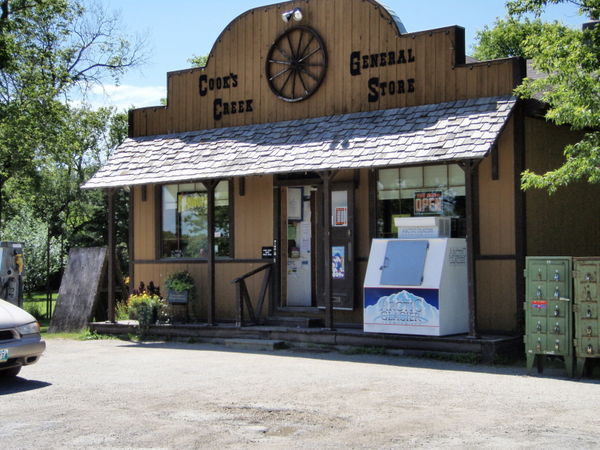
As a teen I started working for real, first at my aunties store, then for my dad’s tile business, the Cook’s Creek General Store (one of the coolest little store’s ever), and for a family friend in a machine shop fixing parts for trains. The common thing about all of these places is that they were all small local businesses. That’s where I learned about work. I learned first hand that when you are a small business owner, your business is your life. I often wouldn’t see my dad because he would be working late finishing jobs. I remember my aunty telling me how someone stealing a bottle of liquor from the store could wipe out a day’s profits. My boss Gloria at the Cook’s Creek Store told me it was my job to learn every customer’s name and to talk with them, because maintaining relationships with customers was key to survival in a world of big box stores.

Small businesses face different challenges than big business. But having healthy small businesses are critital elements of a community.

I kept working at those stores, at the machine shop, and for my old man all throughout University. On my shift at the machine shop I would write my dissertations in my mind while cleaning Gear Cases, then hammer them out on the keyboard after a shift at the store. At the University of Winnipeg I focused my studies in Environmental Politics, Canadian Public Policy, Law, and Economics.

Being from a rural area, and having first hand relationship with small business, gave me a different perspective on these issues. Politicians often talk about supporting small businesses but too often their “support” ends up playing favourites, usually to insiders and influential corporations, and there are unfortunately plenty of examples of that. Supporting small businesses means creating a fair and transparent system of regulation, so all companies are playing by the same rules. Supporting businesses means removing barriers to new start ups, to help them over the hump of the first year, so that they can grow into contributing members of the community. Supporting small businesses means having a Economic Development Office that responds quickly and effectively to the needs of the community.

The government’s job, however, is to always protect the people, first and foremost.

The government should not bend over backwards so some people can make gross amounts of money. When the town was doing everything they could to try and court Chinese investment, that was the wrong plan. Do you think that a big Chinese or other Large company would come to Pinawa without some big concessions by us, the people? And once that operation was here and those concessions were no longer good enough, that Pinawa would have much leverage against a team of high paid lawyers? And who knows how many of those jobs would actually go to Pinawanians. The government cannot be blinded by the allure of promisary money. You need to be cautious when dealing with big businesses whose sole motivation is maximising profits.

Of course businesses can provide jobs and services to the people, that’s great! But most businesses also come with negative externalities as well. For example the externality of potential nuclear contamination! Or something that we are feeling a bit more lately, the externalities from the growing Tourism industry in town.

Photo from rediscovercanada

Many people in town are concerned with the explosion in Tourism popularity in town and I share your concerns.

I see the economic potential of the tourism industry in a place like Pinawa, but it has to be managed. It cannot be like the Wild West. We don’t want conflict, or environmental degradation, or incurring a loss of revenue due to having to clean up after others! The council must show leadership to set out the rules, fair rules, that allow businesses to operate in a way that is consistent with the values and identity of the Pinawa community.

As counsellor I will work towards a fair and open business environment by:

  • Developing a comprehensive townwide tourism management plan that lays the framework for the industry in town in a way that encourages sustainable profits for business while protecting the interests and concerns of the people.
  • In consultation with the Pinawa Chamber of Commerce, the Children’s Co-op Daycare Board, parents, and other stakeholders, work to improve access to Daycare spots so that young working families are able to manage their business and family obligations! Access to quality daycare services is a key consideration for entrepreneurs with young children who are considering moving to Pinawa.
  • Working with the tourism industry to create a Code of Ethics for operators. This code would outline the expectations of operators to maintain good practice of environmental stewardship and community standards. Having an agreement like this for all parties would ensure that all operators have confidence that they are on the same page, playing by the same rules. And would help protect them from being undercut by less scrupulous business folks, for example a bar in LdB dropping off a party bus of floaters in our town.
  • Working together with all businesses in and around the Pinawa Channel area to come up with a comprehensive organizational plan that fairly facilitates eco-tourism and commerce, while protecting the interests of residents and the environment. This plan would create a framework for improving the logistics and impact of activities over several years with the goal being to offer a superior experience to visitors, enhanced environmental protection, reduced traffic issues, and smoother operations for outfitters. As the town moves forward with acquiring that segment of highway this plan is absolutely critical as it incorporates kilometers of road and highway, waterways, businesses, sensitive areas, the cemetary, trails, visitor safety, dozens of jobs, and significant potential revenue. It’s important that this plan is transparent, cooperative, and accountable as it affects an important economical, environmental, and cultural asset. I want to bring these objectives together in a way that we can all be proud of!
  • As part of the Channel Plan above, develop a revenue structure that is based on usage. Using a combination of parking fees, point of sale tax, and rental agreements with operators, we can develop a streamlined and fair system that works. This would ensure that the people of Pinawa see a direct financial benefit from the tourism industry, while also benefiting the industry itself. Revenue from these sources would be reinvested in parks, beaches, docks, signage, trails, promotional materials, and other initiatives that improve the quality of life for Pinawanians, and the quality of experience for visitors.
  • Promoting the development of Mixed-use commercial/residential development in the central commercial district (the undeveloped area between Burrows, Vanier, Besbourough and Willis). This sort of development (business on bottom, residential on top) fills two niches that are underserved in Pinawa currently, those being; the severe lack of centrally located commercial space, and the lack of apartments and condos. Mixed use areas are more vibrant and more cost effective for a town. Also, it opens up more opportunity for a new entrepreneur as they could potentially open their business on the ground floor and live in the same building. This can reduce costs and makes it more attractive to an entrepreneur.
  • Improving communication between the LGD and the business community. I keep hearing about this feeling around here that you need to have an “in” or be connected somehow. Whether that is true or not, it is still something that needs to be addressed because it is imperative that people have confidence that everyone will be treated fairly! Any sense of favourtism can have a chilling effect on the economy as other entrepreneurs will feel discouraged to even start.
  • Encouraging through advertising and networking, the benefits of shopping local and highlighting all of the amazing local businesses in our area. If you need somethign fixed, call the local guy! When your friends come to visit, tell them to rent out the cabin, or a room, or a camping spot! If you want to go on the channel float, don’t go to Canadian Tire in Winnipeg to buy a cheap tube, talk to one of our local outfitters they will hook you up (with a way better experience I might add)! Rent a canoe or a paddleboard, play a round of golf, get a massage, buy some local art, or do a fitness class at the gym. The best way that Pinawa can support local businesses, is to support local businesses!

I have been around small business all my life, and I can tell you 100% that it is not tax cuts or variances or investment from China that supports the economy, it’s people. The relationship between community and small business is what makes it or breaks it. I consider so many of the entrepreneurs and business owners in town my friends, and I want all of them to be super successful! Those business owners who know me well, know that I care about them and this town. They also know that I’m a straight shooter, and if we disagree on something, I’m always willing to tell them why and back it up with supporting facts and information. It’s that sort of mutual respect and cooperation that will build confidence within the business community, while at the same time, always advancing the interests of the citizens of Pinawa.

Please, make a committment to try and shop locally and intentionally whenever you can 🙂

Prosperity – Sustainability – Wellness

Integrating concepts of walkability, sustainability, green jobs, public access, and environmental protection into our public policy is the key to improving the quality of life for all people, attracting newcomers and encouraging growth. It means establishing the Pinawa “brand” and identity, and building a vibrant local economy.

Promoting quality of life and well-being is increasingly recognised as an integral part of sustainable design. Not only is active transportation good exercise for the body, it’s good for the soul as well. When you walk to the store, you might run into somebody and have a chat that brightens your day.

The walkability of a neighbourhood has to take many things into consideration. How far are residential areas from commercial areas? Are there sidewalks available? What about bike paths and trails? Are there crosswalks on busy streets? All of these things are important when considering how people are able to move about in town.

There are other less obvious factors that determine an area’s walkability score. It’s important to have enough benches so people can take a break to catch their breath or feed their baby. You need decent lighting so people can feel safe walking in the evening. It’s no surprise that like to stroll through pretty areas, but are there benefits to this? Of course!

  • Walking 30 minutes a day, five days a week, adds 1.3-1.5 years to your life, on average. This means that for every minute you spend walking, you get three back.
  • People who live in the most-walkable neighborhoods are 2.4 times as likely to walk for 30 minutes or more than those who lived in the least-walkable communities.
  • Residents of traditional neighborhoods, with good pedestrian facilities and stores and services just a short walk from people’s homes, get 70 extra minutes of physical activity per week, and are 40 percent less likely to be overweight or obese than residents of sprawling neighborhoods. (Brian E. Saelens, “Neighborhood-Based Differences in Physical Activity: An Environment Scale Evaluation,” American Journal of Public Health, Sept. 2003, v.93, n.9)

Making our town a more friendly place for pedestrians and cyclists is not just about getting people out of their cars. It is about getting people into a healthier lifestyle. With smart planning, we can make active transportation the main form of transportation. This is something that the most livable cities in the world have already done, and the benefits are far ranging. Imagine, if there were a town where living there could add 1.3-1.5 years to your life, where you would be more fit and experience more mental wellness, simply by going about your regualar everyday activities. That is what incorporating Well-being into Urban Design is all about. We can choose to build a town environment that supports its people, makes it safer for children to walk to school, allows teens a chance to experience nature after a day of computer learning, gives adults calming spaces to stroll and unwind after a hard day at work, and to help our seniors stay fit and active outside as they enjoy their golden years.

Sustainabe cities, zero waste, community resiliance, and net-zero emissions are the future. Not some distant place and time 50 years from now. We’re not talking about a sci-fi movie. It is literally happening RIGHT NOW.

Improving walkability is just one example of a sustainable policy. Cities and towns, governments and corporations across North America are embracing these design policies and investing heavily in these initiatives. Green jobs are already outperforming fossil fuel jobs in the States and the Biden administration is investing Trillions into the green economy. General Motors announced plans to phase out gas and diesel cars completely by 2035. Ford Motor Company plans to phase out gas only cars within the next 5 years in Europe. Think about that for a second, kids born now might never drive a gas powered car in their life. By the time they’re old enough to drive, they will have quit making them for years already!

Photo by Taryn Elliott on Pexels.com

Years ago when Pinawa was founded as a planned community, the original designers would have been considered forward thinking people. The use of curving roads, walking paths, a central mall with parking lot, mix of single family homes and dedicated apartment blocks, public space along the waterfront; all of these things at the time were considered new and cutting edge. (Remember cities before were typically designed in a grid based around a main street). So Pinawa has a tradition of being forward thinking, the thing is, that some of the things considered cutting edge 50 years ago are no longer. At the time gasoline was cheap and infinite, the middle class was growing, houses were cheap, and carbon emissisions were not a consideration. Let’s not forget the big one: AECL would be the economic anchor of the town forever. Obviously, we know now that some of those presupositions turned out incorrect. Luckily for us, Pinawa is in an amazing position to transition into a more sustainable, greener, and prosperous town, a town that is a leader, ahead of the pack. We can begin to do this work RIGHT NOW.

How to build a better Pinawa

  • Traffic calming solutions such as lower speed limits to make shared streets safer and prioritise human transportation. This will protect kids and make it safer for everybody, including seniors, and frankly more fun to choose walking and cycling over the car (maybe not when it’s -40).
  • Invest in Electric Vehicle Charging Stations at strategic points in the town making EVs more viable for residents and more attractive to green minded visitors.
  • Protect and increase public access to parks, open space, community amenities, and water. Natural spaces are integral to the wellbeing of residents.
  • Beautify the town with murals that represent the unique culture of Pinawa and character of the land.
  • Defend our schools as they are a critical part of our community and a key component to attracting and keeping families in Pinawa.
  • Establishing a youth committee so that young people can have a say in the policies that will affect them and can help to drive positive change in their community!
  • Begin working on a plan to acheive zero-waste within a realistic timeframe. This means improvements to waste collection, recycling, and composting. (This is probably going to be the standard soon anyways, so we may as well get going ASAP!)
  • Investigate the development of a small transit system to better facilitate moving of people without the need of putting up huge parking lots at every commercial area.
  • Investing in better internet to allow entrepreneurs and small businesses better opportunity to work from home while living in Pinawa. Tech development in reaction to 2020 has accelerated the viability of working from home.
  • Incorporating minimum thresholds for Density in new developments to ensure that there is adequate housing options for single people, couples, and seniors who cannot afford or do not want a single family detached home. This means more townhouses, duplexes, condos and apartments. Increased density is more cost effective for towns to maintain, and is important to facilitate younger people entry into the Pinawa market at a time when Canadian housing prices are extremely high. More seniors are choosing to move into condos that are smaller and easier to maintain.
  • Supporting urban agriculture and gardening with improvments to commnity gardens and other initiatives. Growing food in urban environments is increasingly seen as a huge positive for community health. We could have a local farmer’s market!
  • The establishment of more parks in areas that are considered simply “Open Space” including a Dog Park and a decent basketball court and skate park.

For more information on these concepts, make sure to click the links!

You cannot fight the wind, you can only adjust your sails.

Now I understand there are still some people that are not yet convinced that a small town can go green. But let me tell you about another type of green, the kind that comes in little rectangles with pictures of the Queen on it. These projects don’t just make sense, they make dollars and cents! These projects pay dividends not just to the well being of people who live here, but will benefit the town economically as well. There are lots of grants and investment opportunities and funding sources out there right for these types of projects. Composting keeps waste out of the landfill (saving space and money) and then you can sell the compost for agriculture generating more money. Increasing density in new developments lowers maintenence costs for the town and increases values of the properties. These sorts of green policies and services are hugely popular with Millenials, aka the young people demographic that Rural areas are trying to attract! This is how we move Pinawa forward economically, my friends, not by falling into the same old ideas as other struggling rural towns, but by innovating, and following the best practices of the best cities, to find unique made-in-Pinawa solutions.

“Our deepest fear is not that we are inadequate. Our deepest fear is that we are powerful beyond measure.”

Nelson Mandela

I believe in the idea of 1% better. One percent better today, then tomorrow improve by another 1%. Then again, and again, and again. You build upon your small successes until one day you take a step back, look behind and realize just how far you’ve come. Pinawa was founded on the groundbreaking research of Nuclear Energy, a revolutionary industry at the time. We can capture that excitement again. I refuse to believe that the Golden Years of Pinawa are behind us. The identity of this town is based on brave innovation. Of harmony between community, technology, and nature. This can be Pinawa. My friends, we can do this!

Please join me in this journey! Together we will bring a newfound confidence to this town, and hope for a truly sustainable future for all.

If you like what you just read then let me know! I want to hear from you. Also, share this post with others!

Comment below or go to my contact page and tell me how you want to get involved in making Pinawa the best place to live, work, and play, in all of Manitoba!

Healthy Seniors

Seniors are an important part of the Pinawa community. They volunteer for projects, participate in community events, and support local businesses. Retirees require products and services, and when they shop locally, this can stimulate and sustain an economy. Ensuring that people can maintain a healthy and happy lifestyle will not only have a direct benefit to their health and wellbeing, but it will make Pinawa a more attractive place for retirees to settle down for their post working lives, growing our population and building demand for new housing (Jobs!) (Revenue!)

Did you know that Canadian snowbirds inject 6.5 billion dollars into Florida’s economy every year?

Safe Shared Streets

Walking for wellness. Communities that are walkable are healthier than those that are car dependant. Going for a walk gets you in the sun for vitamin-D, promotes muscle maintenence and cardiovascular health. Being in nature has an impact on our mental state, and seeing others is an opportunity to socialise and connect with the community. A town that has a high walkability rating makes it easier for people to choose walking for their day to day errands. The original town plan includes multiple pathways to get people from the residential areas to the town centre (very forward thinking by the original planners) but these are currently underdeveloped. Choosing to more often walk to the Solo for groceries rather than drive is a simple lifestyle habit that will benefit anyone. For seniors, being able to incorporate a more active lifestyle is probably the most important and impactful thing one could do to improve their quality of life. How do we acheive this?

  • Increase the amount of benches so people can rest while out for a walk.
  • Improve the public paths and walkways so that people can use these as viable ways of getting from place to place, as was their intention in the original town plan!
  • Innovate traffic calming strategies such as crosswalks and lower speed limits to improve safety of seniors and everyone on shared roadways.
  • Help people to choose products to assist them in carrying groceries, such as those little pull carts or bike baskets and panniers
Photo by Marcus Aurelius on Pexels.com

Recreation for Retirees

The Pandemic has been stressful on everybody, especially seniors. Since they are at the highest risk for Covid-19, many of these folks have been quite isolated. This takes a toll physically, mentally, and emotionally. This period will eventually pass, and as we move into a post-covid world, restoring recreation activities will be very important for everybody. We must establish a recreation department (since parting ways with Winnipeg River Rec) and work with other organizations, endeavouring to host a wide variety of activities for all ages, such as:

  • Social Lawn bowling and Horseshoes area in the park.
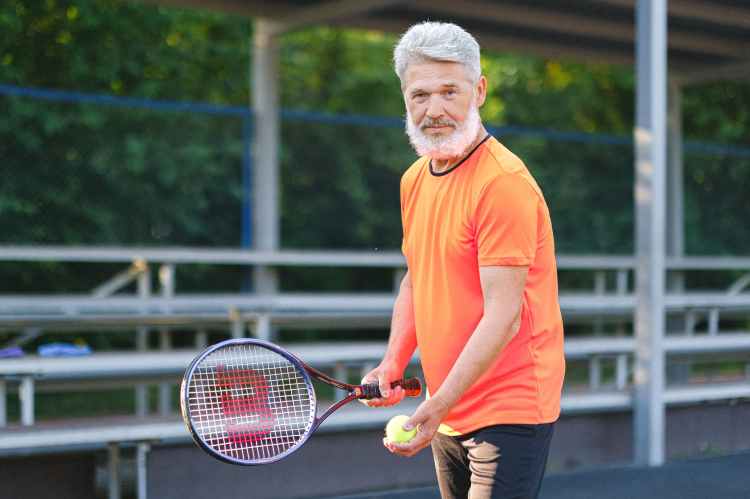
  • Indoor and Outdoor Pickleball.
  • Dance Night!
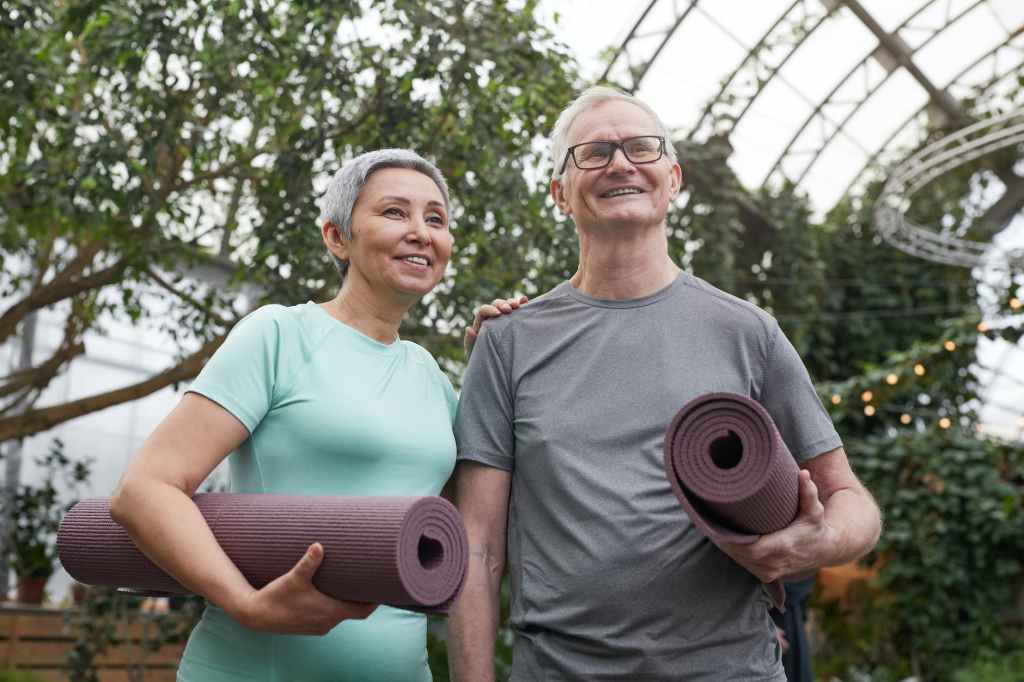
  • Yoga and Medidation for physical and mental health.
  • Programs to encourage gardening as a hobby with programs such as Raised Bed Planting Boxes, Accessible community gardens, seed sharing. Gardening has many benefits for wellness! There was an enormous uptick in interest in Gardening in 2020.

Retirement is the time to enjoy the fruits of one’s labours. Whether one has a million dollar pension or a modest retirement income, we should ensure that there is always access to free or low cost activities for everyone to enjoy. After a year of mostly staying within our own homes, I believe that people have a newfound appreciation for the importance of social activities for keeping us in a good space physically, mentally, and emotionally. Let’s make sure that Pinawa is innovative in its approach to being an Age Friendly community.

What sort of activities would you like to see in Pinawa that would get you out and moving?

Investing in Youth

It takes a village to raise a child.

By the end of that week we had bought our house.

When it comes to attracting families, the quality of life for children and young people is of the highest consideration. I know this because I have a young family (My kids are 6 and 4)! Back when me and Erin were considering possible places to set down some roots, of course we were considering how the neighbourhood we would live in would affect our future children’s experience growing up. When I “discovered” Pinawa, the first thing I noticed was that there were schools, parks, and recreation like the beach and tennis courts. We looked at the town on Google Maps, and I imagined our future kids riding their bikes to school on those streets, building forts in the woods, and skiing with their classmates on the trails. You can see the Ironwood Trail in the satellite images, and I remember thinking, “Wow, what a forward thinking progressive community that would protect that land and keep it public for the people. Honey, we’re going to Pinawa!”

When we invest children and young people, it will pay dividends big time in the near term and in the long run.

Our story is not unique. There are a lot of young families in town and more are moving in. My son’s Grade 1 class has nearly 20 kids in it! People are coming to Pinawa because they see they want a safe, supportive, and nurturing environment where their family can thrive. Once here, a lot of these adventurous people are starting their own businesses, from massage therapy, hair salons, cabin rentals, eco outfitters, and gyms, and others end up finding work in local enterprises. And as one of the many consequences of 2020, there has been a great advancement at the feasability of working remotely from home. More and more people are not tethered to their office in Winnipeg, all they need is a home office with a solid internet connection. The point is, that if somebody believes that a place like Pinawa will help support them in achieving their best life, they will do everything they can to find a way.

The mission for us, is to make Pinawa stand out from the crowd and offer the most attractive living experience for young educated adults.

Photo by Alexandr Podvalny on Pexels.com

For Babies and Little Kids

When it comes to our littlest citizens, it comes down to safety and supporting parents. There are several things we can do to help make Pinawa even better for young families.

  • Add crosswalks at strategic locations on school routes and near parks and rec facilities for increased safety.
  • Lower speed limits in town on Shared Roads.
  • Prohibit on-street parking in targeted areas during specific times on busy school routes or near recreation areas where there is no sidewalk. Parked cars make kids harder to see, make it harder for them to see vehicles, force them to walk closer to the middle of the road when there is increased traffic. This is a simple change that will greatly improve children’s safety.
  • Re-evaluate and improve on our parks and playground planning. Currently we have some nice parks, a bunch of outdated ones, and some areas of town like the North side and the West side where there are none at all! Besides being a huge benefit to kids and parents, playgrounds boost land values of the surrounding neighbourhood!
  • Adequate access to baby change tables! (Dad’s change diapers too you know!)
  • Make sure there are enough benches in parks and other public areas so Moms can feed their babies. Also it gives a place for parents to sit and have a chat with other parents, helping to maintain their well-being and sanity.
Photo by Hannah Nelson on Pexels.com

For Teens and Students

Young people today are growing up in a world of unprecidented change. The challenges that this generation will face are numerous. Many of these challenges are the result of policies in which they have had no say. It is our responsibility to give our young people the greatest opportunity possible to gain the experience and skills necessary to succeed and thrive going forward. In Pinawa, we can do this in several ways.

  • Expand access to FREE activities for teens! Young people need places to hang out and be active and socialize. Teens seem to love the diving dock at the beach. Activities like youth swim and teen skate are awesome, but we can build on that. There are many youth activities that are highly organized by adults, but it’s also important for there to be places for young people to have independant play, like a decent basketball court, tennis, or maybe a skate park. These activities are critical at a time when youth obesity and depression are causing significant harm. Youth access to basic social and physical well-being should not be restricted by their parents salaries.
  • With the influx of tourism related business there are more and more opportunities for Summer jobs which is great. Working with local business, we need to make sure that any youth employed in our jurisdiction are educated in their rights and responsibilities as it pertains to Labour and Occupational Health and Safety.
  • Youth in Politics (YIP) This would be a pilot project that would form a joint committee of LGD Councillors and Students. These young people would have the opportunity to represent the wishes of their peers and present them in an official channel. With guidance from educators and councillors, they would learn about the democratic process, committee work, writing proposals, budgeting, and organisation. This would offer students the opportunity to earn, potentially, some partial extra credit, experience, professional references, and to affect real meaningful action in their town on behalf of their peers. This would be a good introduction to leadership, and these students would likely go on to being future champions of the issues and challenges that they will face.

These sorts of small improvements will add up to build on Pinawa’s already high quality of life. When we invest children and young people, it will pay dividends big time in the near term and in the long run. Playgrounds full of kids, couples on evening strolls, teens shooting hoops, all of this contributes to a more vibrant and healthy community. With the nice sunny spring weather out the past couple days, you see a lot of people out walking. And they’re smiling. That sort of sense of well-being from being out and about, has immense value for us as individuals, and for our community as a whole. Let’s build on that.

Do you have any ideas that would be a hit with the kids these days? Let me know!

Sustainable Tourism

Tourism is a growing industry in Pinawa. The pandemic and subsequent travel restrictions in the Summer of 2020 brought many thousands of new visitors to our town. Although we as a town have been encouraging tourism growth as a way to create jobs, it was clear that we were unprepared for the exponential increase in visitors, especially at the Pinawa Channel. We need a robust plan to manage the influx of tourists, decrease the negative friction between visitors and residents, and make sure that the tourism industry has a direct financial benefit to the citizens of Pinawa.

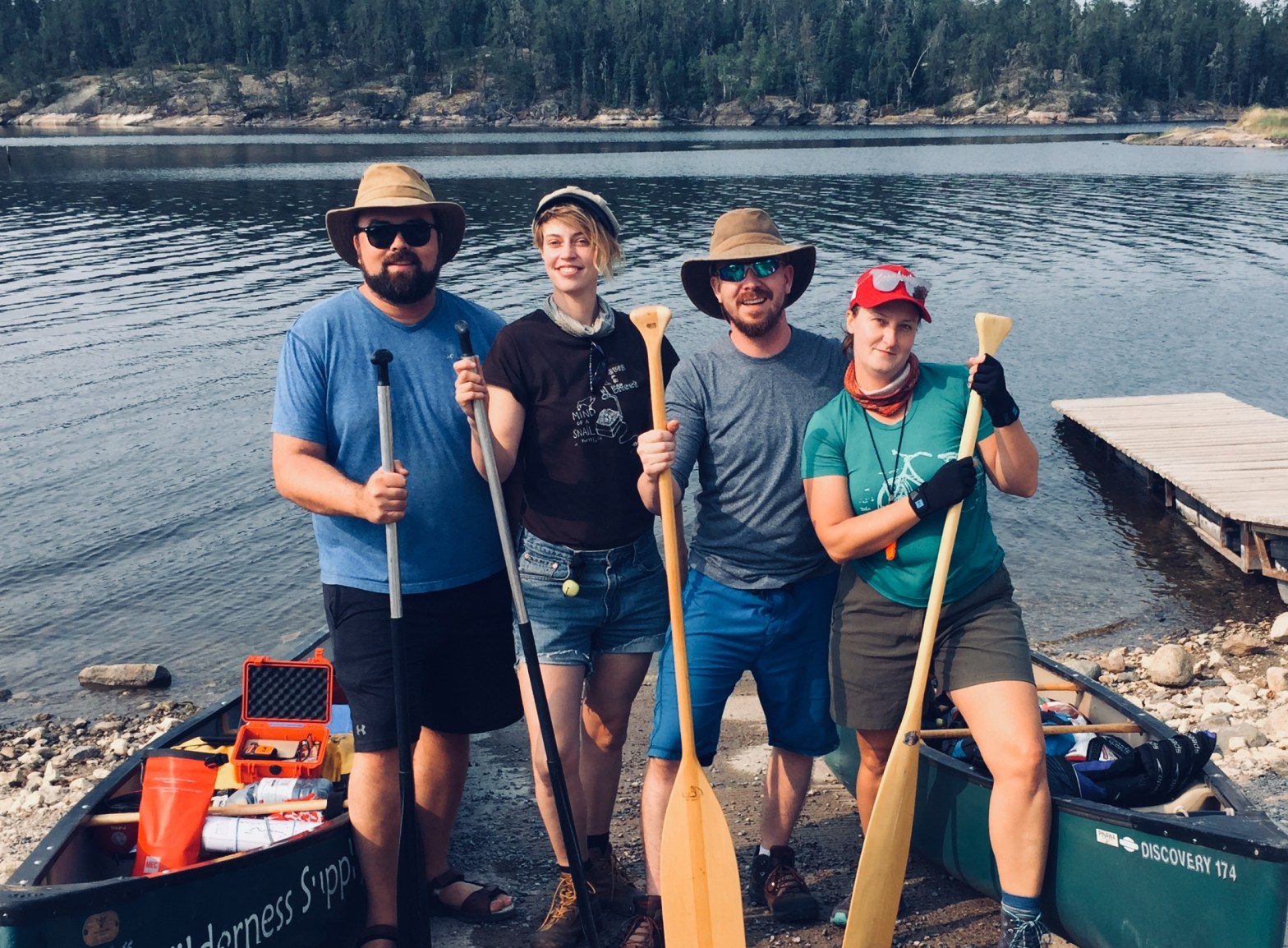
Tourism is an important and viable industry for Pinawa. Between the Channel float operators, golf course, motel, and the numerous summer students employed by the town, it creates a lot of jobs! But let me be perfectly clear, we do not want our natural areas to become a Mardi Gras scene and be left with nothing at the end of the season but a big mess and a headache.

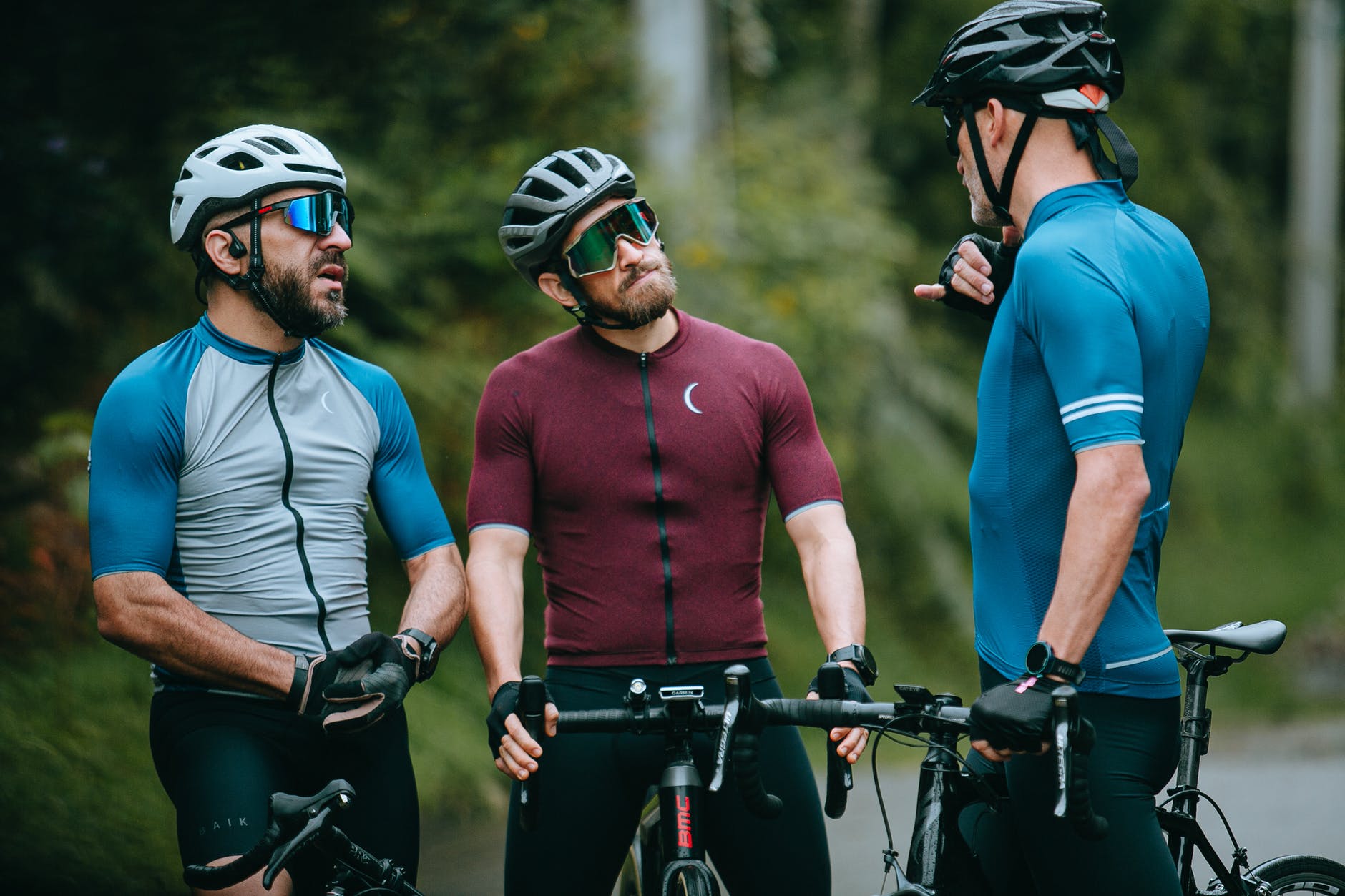
Photo by Munbaik Cycling Clothing on Pexels.com

When tourism gets out of control, it’s not just locals who suffer, it decreases even the satisfaction of the tourists! I know as citizens we’re not quite as concerned about that, but we should be. Think about the people coming to visit. Many of them are nature lovers who want to visit a pretty town, get on the water, see some animals and have a good time. However, if things get out of control and those tourists see a party zone and a big mess, they might not come back, but the yahoos will return again and again. On the flip side, when the tourist scene is clean and peaceful, the visitors who want to party it up a bit will tend to take it down a notch. When in Rome, as the saying goes. Think about the tourist scene in a place like Cancun vs Tofino.

There were problems last year. But let’s not devolve into bullying, negativity, and hostility towards tourists and outfitters. They are our guests and Pinawanians are friendly and welcoming people. Let’s make sure to give people a smile and a wave when we meet them at the beach, the Ironwood Trail, the Golf Course, or on the Channel.

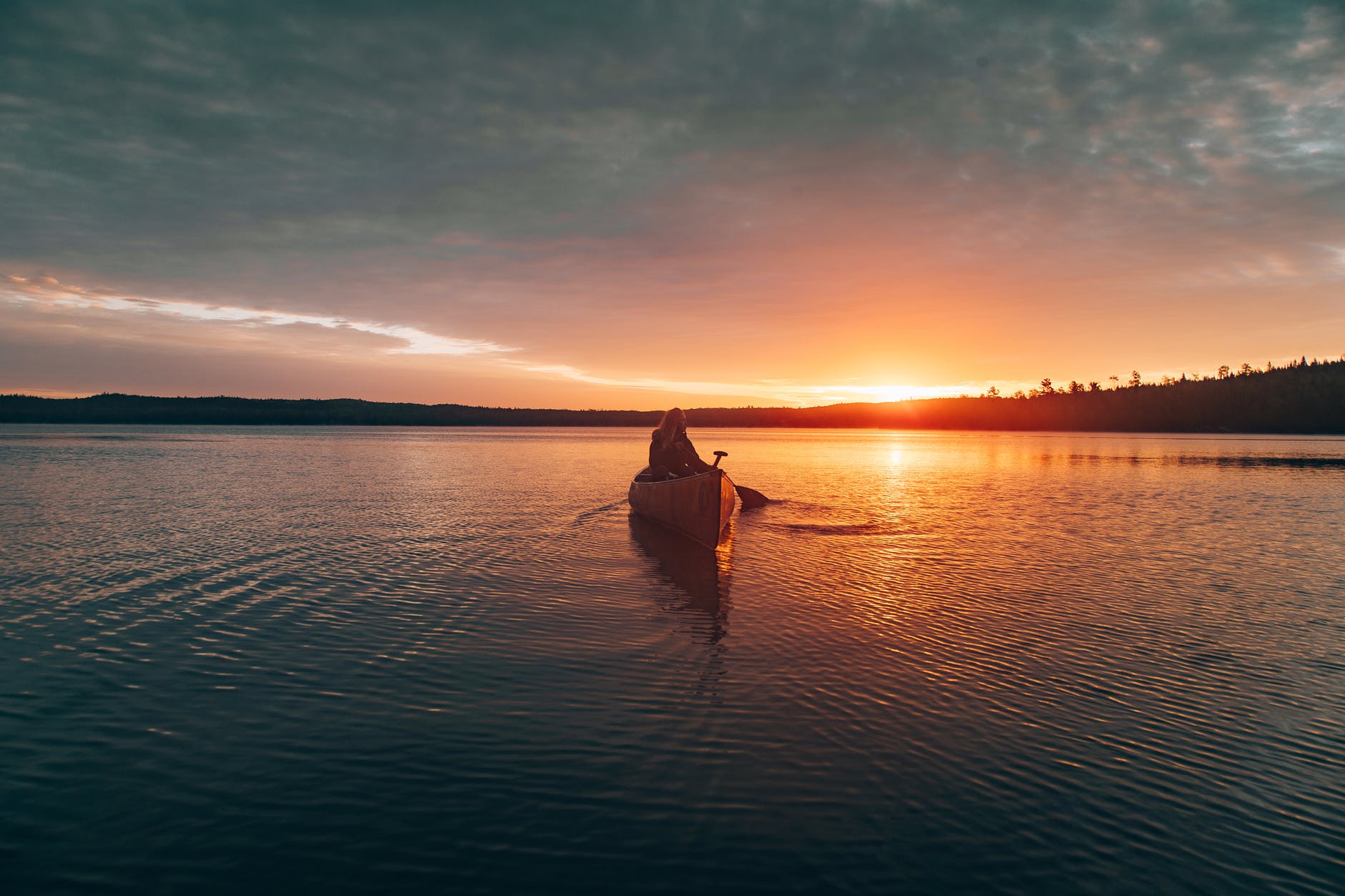
Photo by Josh Hild on Pexels.com

As councillor I will work towards a constructive and comprehensive tourism plan, that aims to mitigate the negatives, and maximises the positives (ie. Money!) My recommendations include:

  • Installing larger, animal-proof garbage and recycling bins in all public areas in sufficient number.
  • Improving signage, parking, and pathways to encourage visitors to check out other areas of town, reducing excessive concentration in some areas, and promoting patronage to other businesses in town.
  • The introduction of a Eco-Tourism Operators License to ensure that operators are held to certain standards of environmental stewardship and commercial practice.
  • The introduction of a Eco-Improvement Surcharge, a small fee that will be tacked onto the price of tickets charged by operators directly to the consumers (appearing as a seperate line item on the receipt). This new revenue stream will ensure that taxpayers are benefiting directly from the tourist industry, and could be reinvested in amenities for everyone, such as improvements to public recreation facilities.
Tofino, British Columbia.(CNW Group/The Network Hub)

An integral part of my plan is the devolopment of an Eco-Tourism Zone to support businesses that rely on facilitating access to Pinawa’s natural areas and waterways.

  • Enhance and modify Pinawa’s secondary plan to incorporate an Eco-Tourism Zone centred around (but not limited to) the end of the highway which is to become part of the town in the next year.
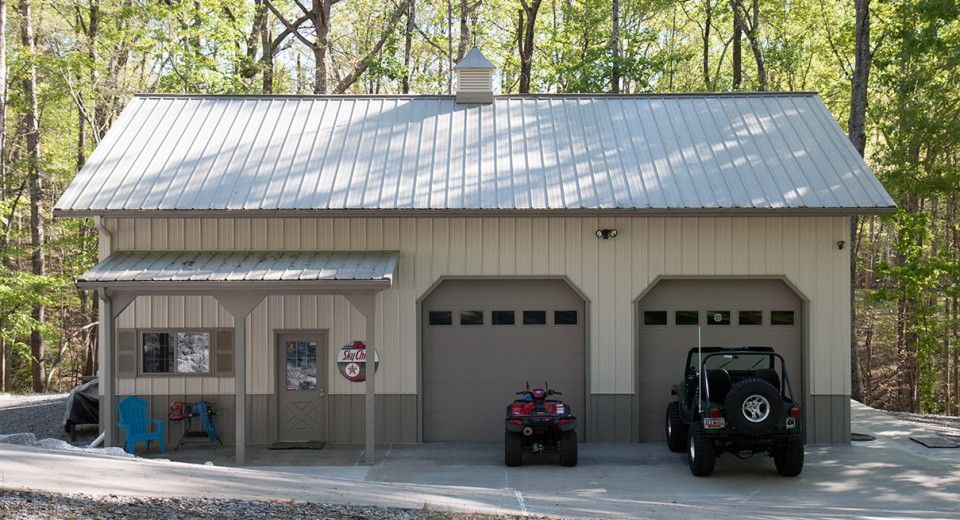
  • Develop the site near the diversion dam as an Commercial staging area for operators. This area will eventually be home to a multi-use building with Garage doors so operators can rent a space to house their supplies, such as tubes and kayaks, on site. This will reduce traffic in town and save time and effort for the companies, increasing productivity.
  • The staging area would include some small commercial spaces which would function as a check in area for guests to sign their rental agreements and get set up.
  • The building would include bathrooms to increase sanitation and the comfort of workers and users.
  • Parking would be reorganized to be more efficient and ensure safety and that the golf course paths are not blocked by cars.
  • The installation of a dock for launching of canoes, paddleboats, kayaks, and other small vessels.
An example of a building that could be part of a Eco-tourism Staging Area.

I’ve worked in customer service since I was 14, and have spent the last decade working aboard one of the world’s premier passenger trains. Pinawa is at the beginning of a tourism boom. This is our chance to define what sort of tourist town we want to be. We should be inspired by green tourism pioneers such as Costa Rica, and my plan will help get us there. When we hang out on the trail or at the beach and meet some visitors enjoying the same activities we love, remember that they are just people who haven’t figured out a way to live here, YET.

If a visitor were to ask you what to do in Pinawa, what would be your best suggestion?

Protect our Greenspaces

The natural environment in Pinawa is one of our greatest assets. Public parks, greenspaces, and reserves enhance the town environment, and improve the people’s well-being. They provide space for recreation and physical activity, improve our mood and mental health, and increase land value. Of course, not to mention provide habitat to birds and animals. However, without proper management, these vital areas are being threatened.

If you have ever gone for a walk in one of Pinawa’s natural reserve areas you may have noticed strange lack of diverse vegetation, coincidentally at about the height of a deer’s head. We have gotten to the point that in Pinawa there are essentially two types of trees: old ones, and dead ones. New saplings, whether they be poplar, pine, or cedar, are quickly devoured before they can become established. This destruction of the forest understory not only damages biodiversity, but threatens the sustainability of these areas. We don’t want to get rid of the deer, so we’re going to have to work with them!

Photo by Martin Alargent on Pexels.com

Steps have been taken on the Ironwood trail to mitigate this issue, fencing off some areas from deer to allow for natural regrowth. That’s a good start, but is far from a complete solution. As a council, we must officially recognize the importance of public greenspace access and sustainability now, so that these areas will be available for future generations of Pinawaneans.

As councillor I will work hard to protect Pinawa’s natural beauty for the future by:

  • Officially recognizing the principles of sustainable management as part of Pinawa’s urban planning.
  • Ensuring that future developments include natural areas and public access paths, parks, and green belts for all people to enjoy.
  • Creating a comprehensive forest rehabilitation strategy, that includes community group involvement in revitalizing and improving our existing reserves and green spaces.
  • People need to stop feeding the deer! It hurts the animals, it interferes with the natural instincts of the young and teaches them that humans are a food source, it damages the ecosystem by supporting an unnaturally high population for a small area, attracts other animals such as bears which are dangerous (several had to be killed last year). Feeding wildlife is considered animal harassment and it is illegal for a reason. For the wellbeing of the deer and the natural ecosystem, do not feed the deer!.

Pinawa is a forest town, and that is something that makes this place special. But we can’t take it for granted. The natural reserves are under a different ecological pressure than the wilderness of the Whiteshell, and so it is incumbent upon us to take care of these unique environments within our town, to ensure that the will remain healthy and viable for our children, and future generations of Pinawanians.

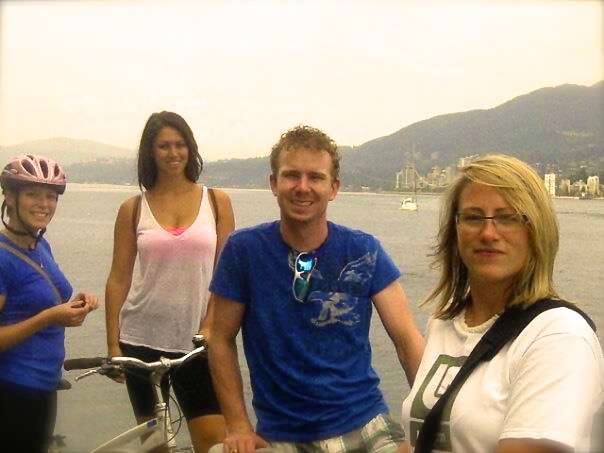
This photo is my son and my little cousin out for a walk in North Vancouver. When I see this I can practically smell the life the old cedar trees. How do you enjoy the natural areas in Pinawa?