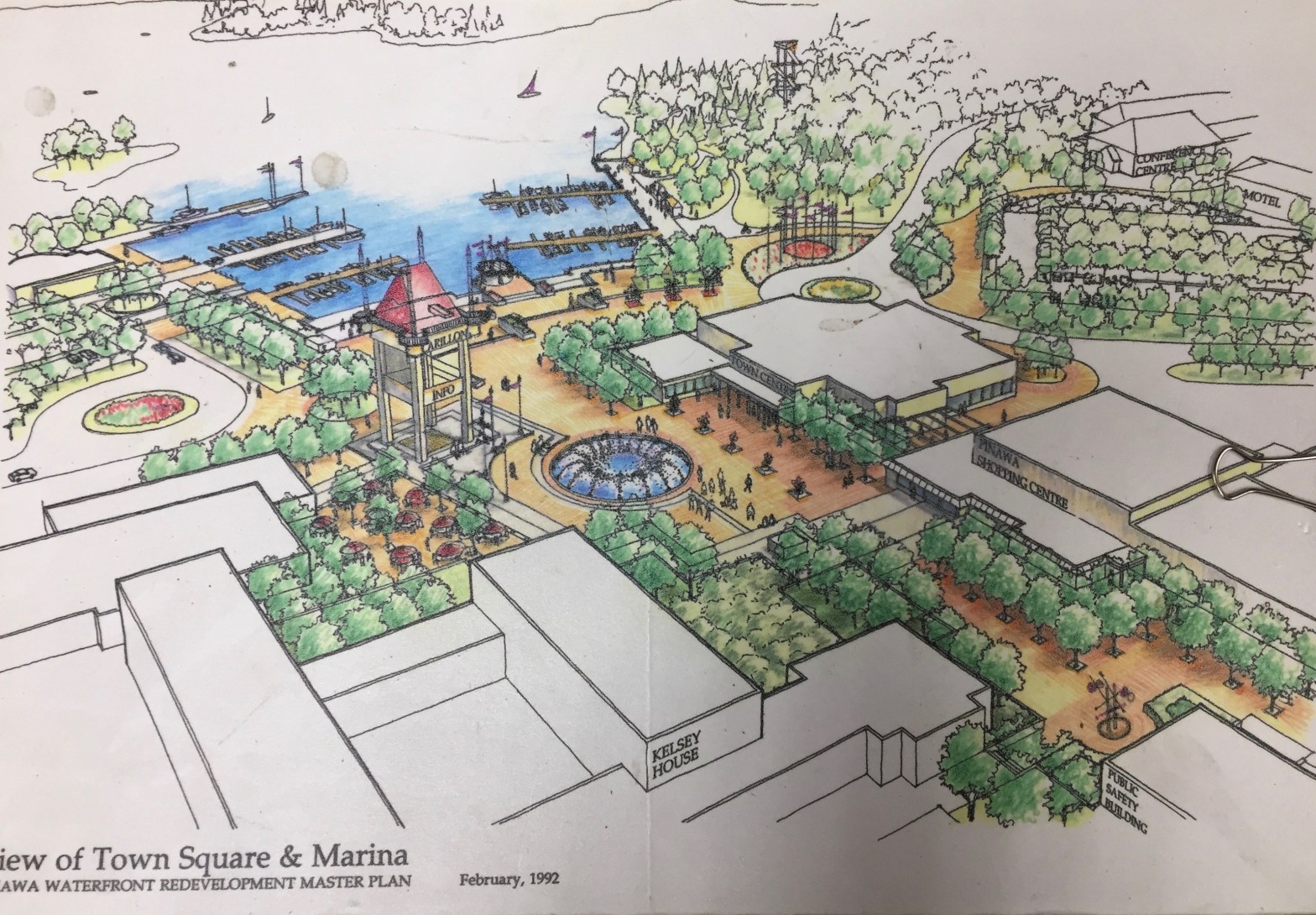
When we talk about the future of Pinawa, one conversation comes up constantly: How do we create a vibrant, walkable downtown that supports local businesses, welcomes new families, and protects our town’s long-term financial health?
Recently, the Pinawa Chamber of Commerce gave our community something invaluable: clear, independent data.
In July 2026, the Chamber released the results of its Downtown Vision Survey, gathering thoughtful input from 171 residents.
The results are not just interesting; they provide a shared, constructive roadmap for how Council, local businesses and community groups can work together. I would like to thank the Pinawa Chamber of Commerce for putting this survey together and the service they provide to local businesses and the community.
Now, let’s get into it:
What the Community Told Us (The Shared Data)
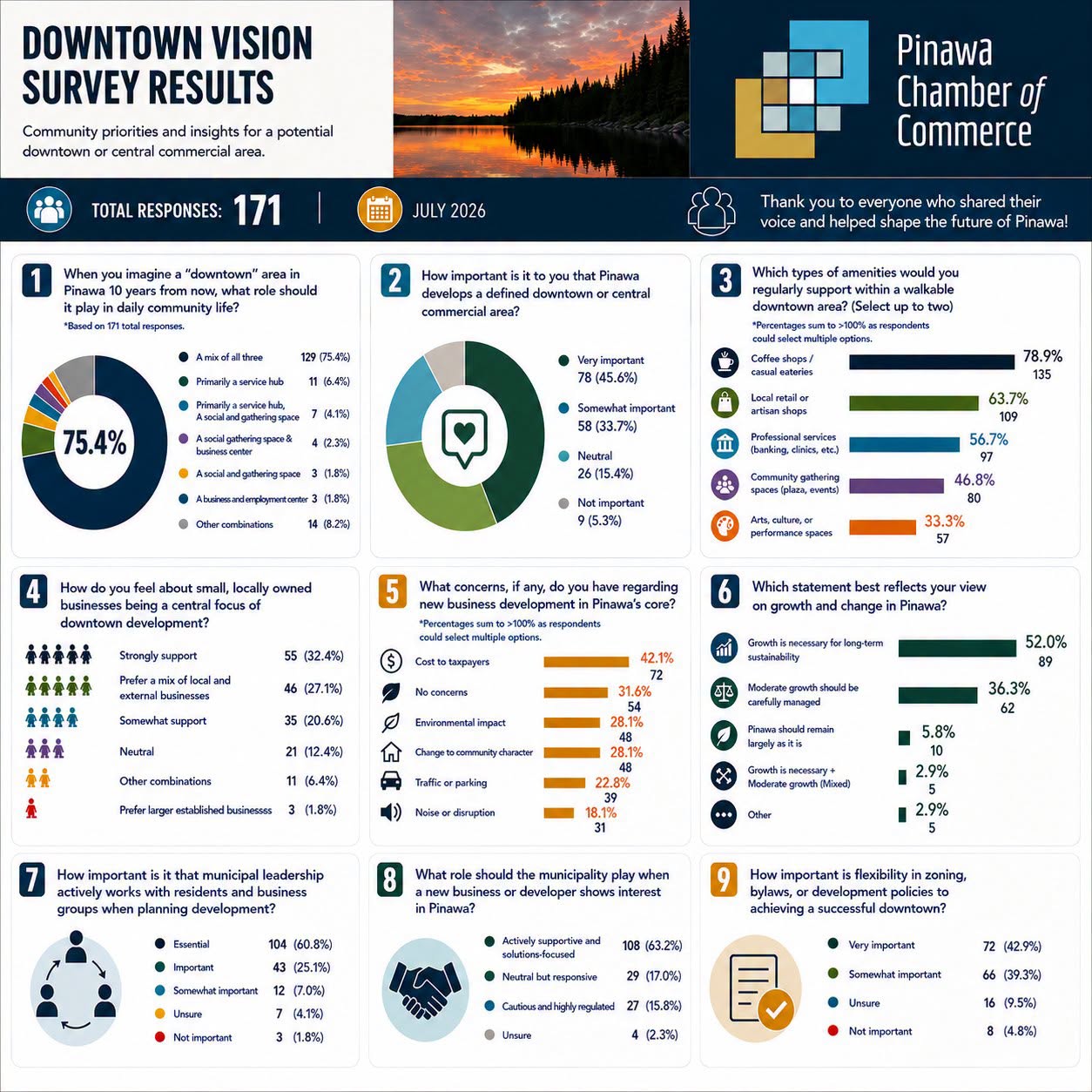
What I take from this: 88% of survey respondents support growth, and their #1 concern is protecting taxpayers. That tells me Pinawa wants to grow carefully. We want a vibrant downtown core, and leadership that sits down with people to find solutions rather than putting up roadblocks.
(Updated for precision: all percentages are of survey respondents)
The message from the community isn’t “go slow or stay small.” It’s “grow smart, and show the math.” That’s exactly what the rest of this post is.
Strong Towns: A Common-Sense, Low-Risk Path Forward
How do we deliver the walkable amenities and services that residents want, while directly respecting the #1 community concern of protecting taxpayer dollars?
It’s not about growth for growth’s sake. We already have a massive infrastructure deficit. Like they say, if you are in a hole the first thing you need to do is stop digging. What we need to do instead, is focus on measured, incremental, fiscally disciplined growth. That’s my approach, and that’s how we can stabilize the budget, maintain the amenities and services we care about and rely on, and keep our town affordable. This is how we protect what we have, by investing in the future.
I’ve spent time learning from a framework called Strong Towns, a movement of municipalities across North America focused on financially sustainable, human-scale growth. This has a significant influence on my planning philosophy and strategy. Here’s what that means for us here in Pinawa, in plain terms:
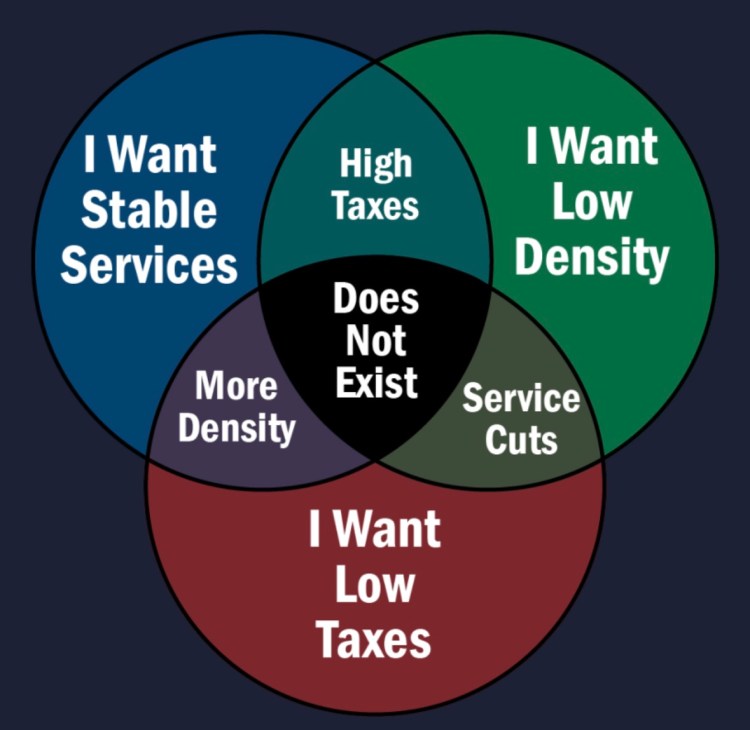
- Grow Inward, Before Outward: Prioritize new residential and commercial opportunities along existing, serviced municipal streets where water and sewer lines are already in the ground. This saves us money on construction, and future maintenance. Pinawa is a very spread out town with a lot of infrastructure for a town this size. There is currently no money in the coffers to catch up to the infrastructure deficit that has been growing and growing for decades. We must increase the tax-base, without increasing the infrastructure burden, if we want to maintain our services and keep taxes reasonable.
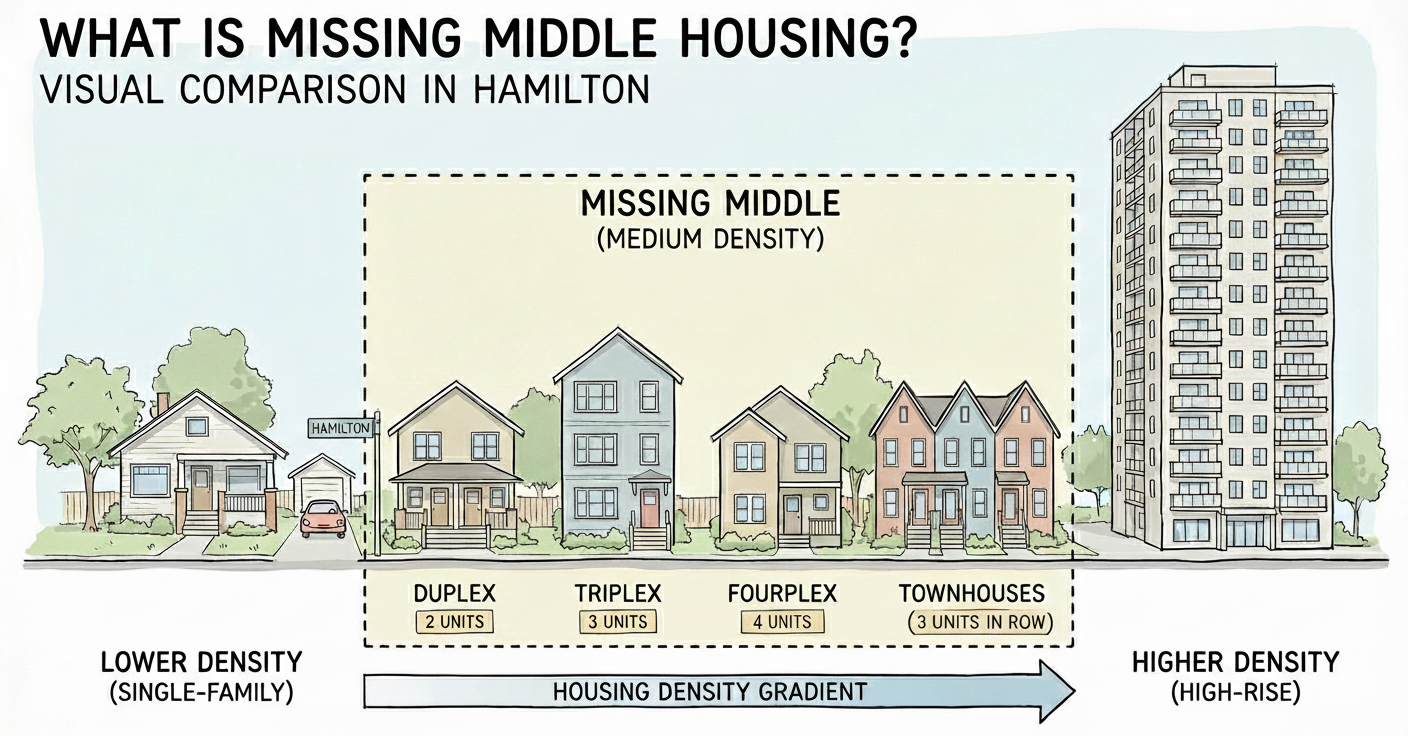
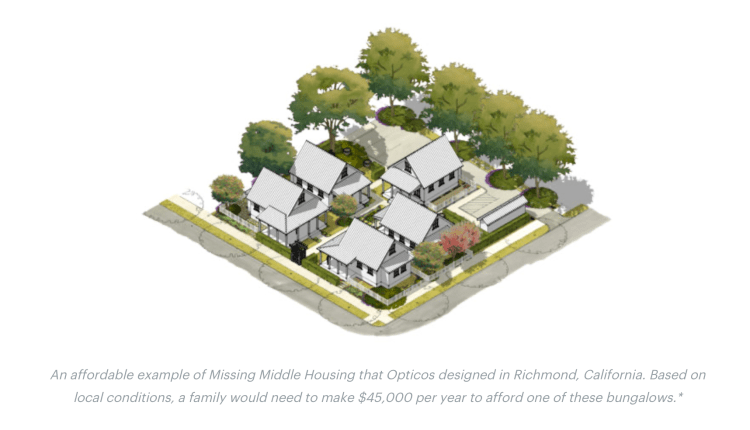
- Missing-Middle Housing: You’ve heard me talk about this over and over. The term “Missing Middle” was coined by architect Daniel Parolek to describe housing types that have been systematically under-built in North American cities—not due to market forces, but due to policy decisions and zoning regulations. We need to encourage rowhouses, side-by-sides, duplexes, and accessible multi-unit residences in and around the Waterfront and Central areas. These homes will be perfect for seniors looking to downsize, single people and couples, and young people just starting out. We could also explore tiny-home concepts with several houses on a single lot, perhaps around the Ironwood, or elsewhere. Missing middle housing also allows people to downsize from the single-unit homes around town, freeing them up for families that need them. Don’t let anyone scare you about a concrete jungle plan, that would be an irresponsible misrepresentation. This will actually allow us to better protect natural areas. Missing middle housing integrates nicely into our town, because it already does exist here, just not in sufficient enough quantities.
- High Return for Taxpayers: Multi-family and mixed-use infill areas generate significantly more property tax revenue per acre, creating a sustainable funding stream to renew our 1960s underground infrastructure without raising tax rates on current homeowners. To put it another way, if the taxes you pay on your house are meant to help for the road and sewer in front of your lot, who’s paying for the road and sewer in front of all the empty space? The answer is the same, you are! The unfortunate truth is, that the financial situation of the town has not properly accounted for this, and we are falling further behind. Fixing this situation is key for improving our fiscal situation where the town’s reliance on the AECL federal funding for basic operations puts us at risk.
Putting our Public Resources to Work for Maximum Impact
I’ve chaired the planning committee this term, so I know exactly how little authority or resources it has. It’s advisory, with little power to advance anything. For years, our tax dollars went to organizations like the PCDC, with high overhead and little accountability. That’s not economic development – that’s governance failure. That structural weakness is part of the governance problem I’m running to fix. We need to address changes and updates to the zoning by-law, to streamline our permitting and approval process, and to manage land issues so we can market, sell, and develop land. This is where I believe that the LGD will be better served by using our economic development dollars on land-use planning and development, rather than the previous spending on tourism marketing through the old PCDC and Innovate Eastman, formerly known as North Forge East. Let’s invest our money into the areas that are going to give us the biggest return on investment.
The Goal: Pinawa 2000
Our local businesses and services cannot survive on summer visitors alone. A local coffee shop, a family restaurant needs year-round, local foot traffic to thrive through the winter months. More families will keep our school population sustainable, which is absolutely important for the town.
That is why our housing and economic efforts should unite around a tangible community target: Pinawa 2000, growing our year-round permanent population to 2,000 residents.
Achieving this together within our existing footprint:
- Delivers the steady, year-round customer base needed to keep local storefronts and services open 12 months a year.
- Protects the long-term vitality of our local school, recreation facilities, and community health services.
- Strengthens our municipal tax base, ensuring we can afford to repair and maintain our infrastructure for decades to come.
Pinawa 2000, reaching 2,000 residents, means roughly 150 new homes. Done in five years, that’s about 30 a year: ambitious, but possible. Done over a decade, it’s a dozen homes a year. Either way, it starts the same way: subdividing parcels, harmonizing the zoning bylaw with the plan that already permits this, and putting the tools in place so builders can build.

Looking Ahead: Connecting Housing to Infrastructure
Growth is not an end in itself; it is a key part of how we protect what we already have.
In an upcoming post, I will explore Asset Management & Infrastructure Renewal: how we take the revenue from smart infill growth and deploy it methodically to renew our water mains, sewer pipes, and community facilities for the next 50 years.
The Path Forward: Teamwork and Shared Purpose
Building a vibrant Pinawa won’t happen through closed-door decisions. It happens when Council, the Chamber of Commerce, community volunteers, and residents work as a team with open communication and mutual respect.
The Chamber survey gave us the blueprint: 88% want growth, 82% want flexible planning, and 63% want solutions-focused leadership.
By working together with pragmatic optimism and clear goals like Pinawa 2000, we can build a thriving, financially resilient community that works for everyone.


One thought on “Building a Vibrant Downtown: The Chamber Survey, Strong Towns, and Pinawa 2000”