
When candidates talk about “transparency,” it can easily sound like abstract political jargon. But in municipal government, transparency is very simple: It means that major decisions and public spending must happen in open Council meetings through formal resolutions, and not through informal side deals.
A clear example of why this matters occurred back in 2022 when I was new on Council. A resident wrote a letter to the Council raising valid questions about how food truck locations and related municipal infrastructure were going to be managed in Pinawa. At this time, the LGD was grappling with the influx of tourism and better management was one of the reasons I had ran for Council in the first place. The letter was well written and demonstrated that there are pros and cons to different potential locations to set up food trucks, such as the Sundial/Marina, the Pool/Beach area, or others.
I was thankful for the letter. I thought it presented an opportunity to do some intelligent work to better manage the tourism challenges of the town. I believed there was merit to not over-saturating a certain area with too much visitor attraction too fast. I pushed for a structured approach. However, I was told that tourism discussions belong at the Pinawa Community Development Corporation (PCDC). So, I went to the PCDC and established a committee there, with the letter, to review several potential sites, weigh the pros and cons, assess zoning considerations, and bring a transparent recommendation back to Council. A senior member of the Council insisted on being part of the committee to provide zoning oversight.
While our committee was actively doing this work under the assurance that no decisions had been made, a troubling situation came to light: work was already underway at the beach site. Electrical infrastructure and landscaping was being installed by Public Works and Manitoba Hydro before our committee had finished its review, before Council had debated the matter, and without a formal resolution or budget authorization passed in an open Council meeting.
I was new on Council, and I wanted to be certain. I searched the agendas and minutes of the Council meetings, public works committee meetings, the budget… nowhere could I find any record of this project being approved.
At the time, I was working at the school, and had to take time off to attend the Public Works Committee meeting to understand where approval for this work had come from. When I asked why this work was proceeding, it became clear that Public Works staff had been verbally directed to carry out the project outside of the formal Council process.

This is precisely why governance process matters.
It protects staff: Municipal employees should never be put in the position of executing unbudgeted work without explicit, formal Council authorization.
It respects residents: Citizens who take the time to engage with local government deserve to know that public processes are meaningful, not predetermined behind the scenes.
It ensures financial control: Public funds and equipment should only be deployed after an open debate and recorded vote.
I called out the impropriety and demanded a vote in Council. A resolution was subsequently brought to Council after the fact to retroactively approve the expenditure, however, the work was already well underway and couldn’t be stopped without massive waste. The person who wrote the original letter was in attendance to witness. I called for a recorded vote and voted against approving a process that bypassed Council oversight and public transparency.
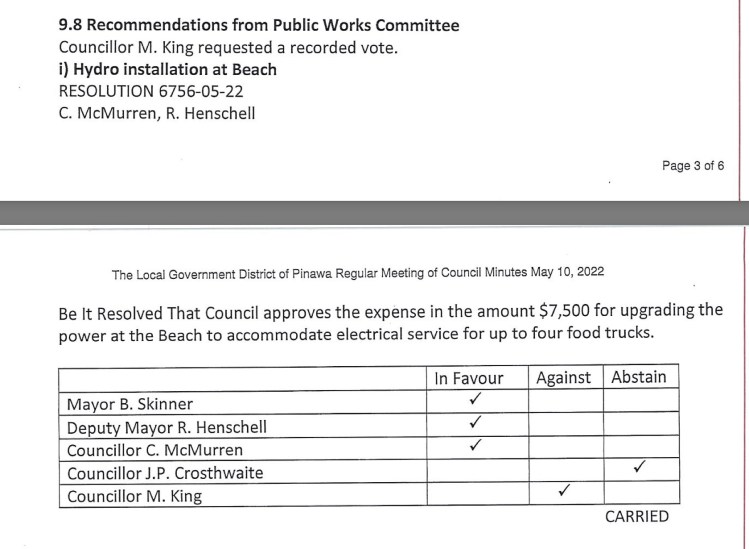
Unfortunately, this project also went extremely over budget. And because of the increased traffic flow to the area, then Council had to react further by spending more money to add additional parking. Was this the best decision? That’s up for debate. But the real issue here is that there was no debate before the decision was made, and that’s not a right way to govern.
This matters because if councillors are kept in the dark, the people are kept in the dark. No one person or faction should act as gatekeepers.
On the flip side, formal resolutions are also how we empower our community and turn great ideas into reality.
When volunteers proposed creating the Little Lending Library, they had the idea to upcycle a surplus granite stone from the AECL Underground Research Lab. The granite, which was sitting by the recycling depot, could become the base pedestal for the Library. Unfortunately, the project stalled under vague councillor objections that the pedestal “might be needed for something else, someday…” Rather than letting a great volunteer initiative wither in limbo, I drafted and passed a formal Council resolution to grant permission and move it forward.
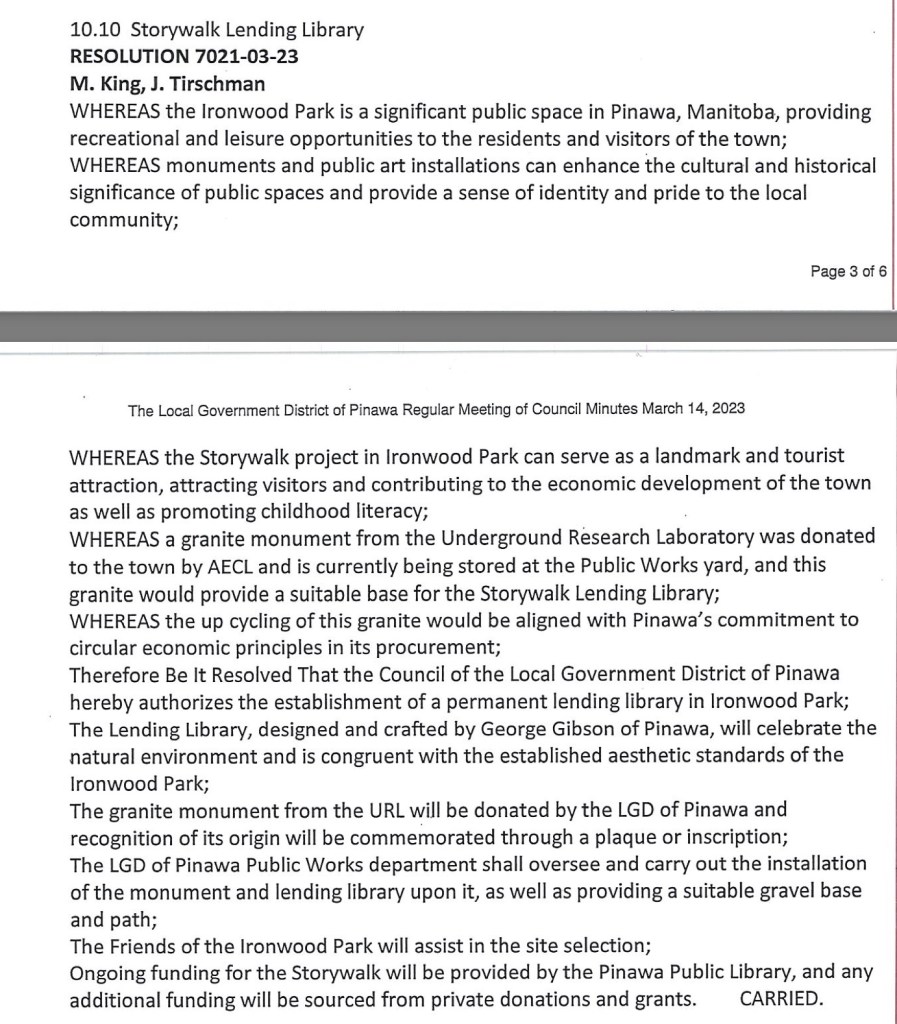
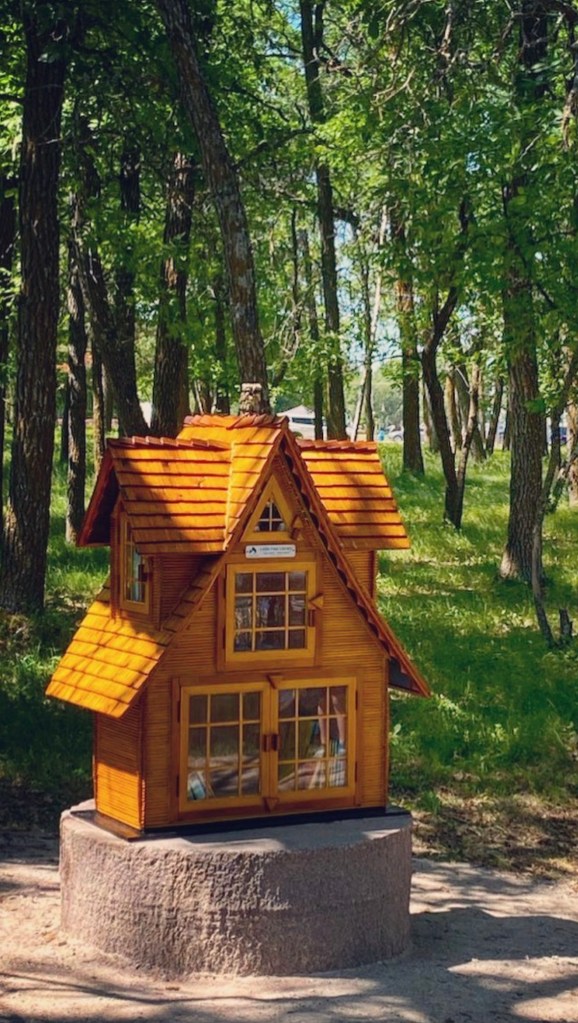
If you were to read a resolution like this in the minutes after the meeting or even years later (this was from January 2023) you would understand what Council decided and the reasoning behind it. That is what resolutions are for: they break through bureaucratic gatekeeping, establish clear public support, and empower councillors and community members to make Pinawa better. That is the Truth about Transparency.
The bottom line is that any public projects, especially where money is being spent, must be decided by formal resolution in Council, following an informed debate. All councillors must be given all available information to make informed decisions, and the opportunity to debate, provide input, and support or oppose the issue.
That is the standard of governance I have advocated for as a Councillor, and it is the standard I will uphold as your Mayor.

P.S. — If you made it this far, THANK YOU!
This was a long read, but it is a critical issue to understand. In elections, candidates can tell all sorts of stories, but real transparency stands up to scrutiny. I believe our leaders must be champions of good governance, and an informed, engaged community is vital for Pinawa’s long-term success.
If you found this helpful, please share this post with your friends and neighbors. You can also subscribe on my below a to receive future updates directly in your inbox. Just type your email in the box below.
Thank you for being engaged and for caring about our town!
Michael


2 thoughts on “What Real Transparency Looks Like on Council: A Case Study”